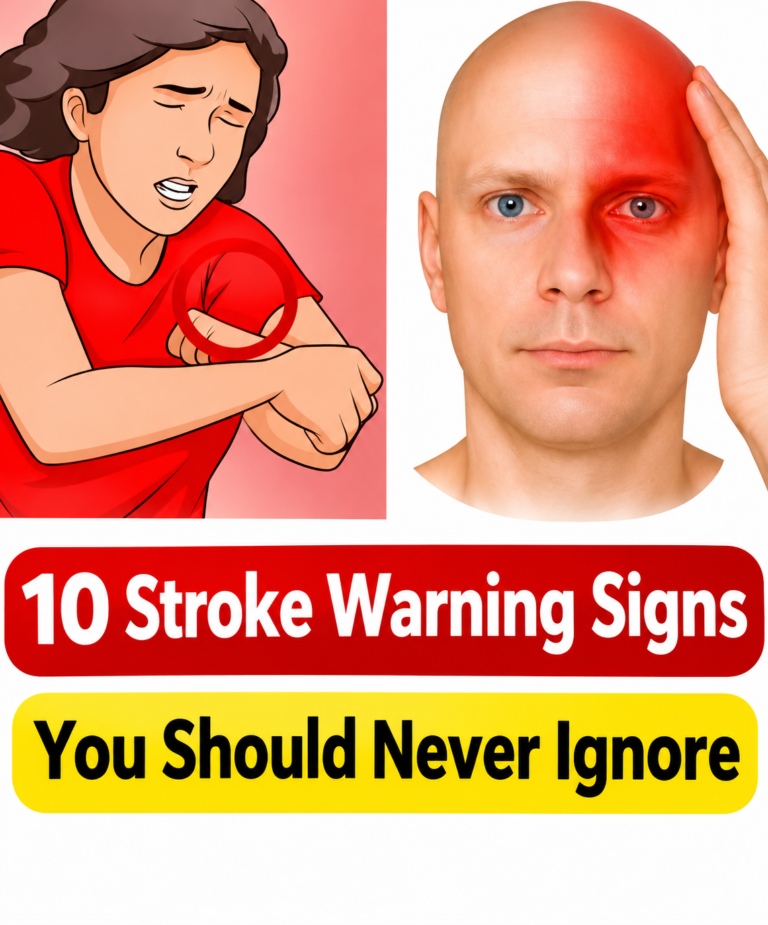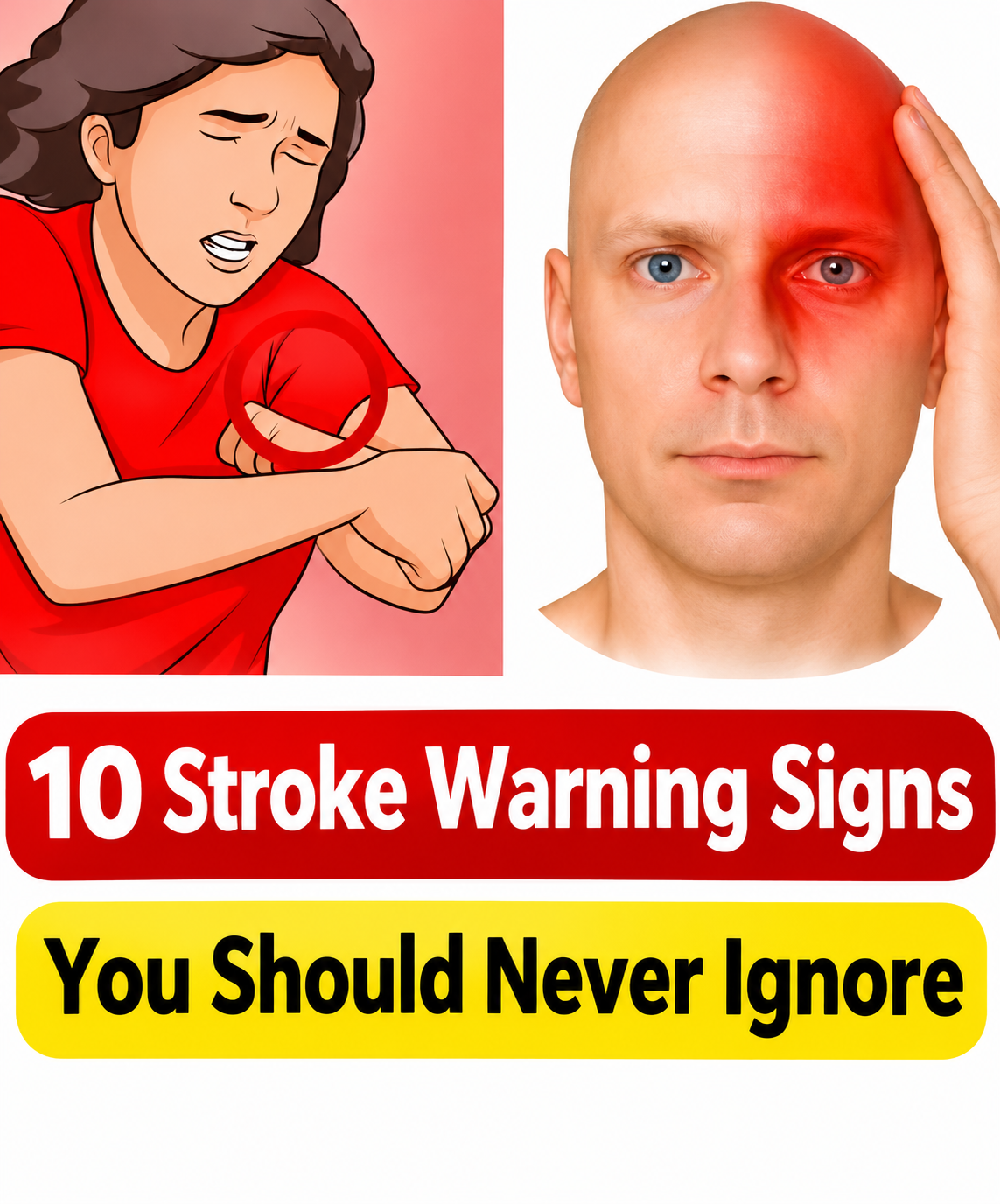
A stroke can happen suddenly, and recognizing its warning signs can make a life-changing difference. Knowing what to look for may help you recognize an emergency in yourself, a family member, or even a stranger.
Some online posts claim that your body gives warnings a month before a stroke. However, there is no reliable rule that predicts a stroke exactly one month in advance. Most stroke symptoms begin suddenly, and even symptoms that disappear after a few minutes may indicate a serious medical problem.
In this guide, you’ll learn 10 important stroke warning signs, how to recognize them, and what to do if they appear.
What Is a Stroke?
A stroke happens when blood flow to part of the brain is blocked or when a blood vessel in the brain ruptures. Without enough oxygen-rich blood, brain cells can become damaged.
A stroke is a medical emergency. Getting treatment quickly can reduce brain damage and improve the chances of recovery.
10 Warning Signs of a Stroke
1. Sudden Face Drooping
One side of the face may suddenly look uneven or droop. The person may have difficulty smiling normally.
Ask them to smile and check whether both sides of the face move equally.
2. Weakness in One Arm
A person having a stroke may suddenly feel weakness or numbness in one arm, especially on one side of the body.
Ask them to raise both arms. If one arm drifts downward or cannot be lifted normally, this may be a warning sign.
3. Difficulty Speaking
Speech may suddenly become slurred, unclear, or difficult to understand.
The person may struggle to find words or be unable to repeat a simple sentence.
4. Sudden Vision Problems
A stroke can affect vision in one or both eyes.
Possible symptoms include:
- Blurred vision
- Double vision
- Sudden loss of vision
- Difficulty seeing clearly
Sudden changes in vision should never be ignored.
5. Sudden Loss of Balance
Some people experience sudden dizziness, loss of coordination, or difficulty standing and walking.
They may feel as though the room is spinning or have trouble keeping their balance.
6. A Sudden Severe Headache
A sudden, extremely severe headache with no known cause can sometimes be associated with a stroke, particularly a bleeding stroke.
Seek emergency medical attention rather than assuming it is an ordinary headache.
7. Numbness on One Side of the Body
Sudden numbness or weakness affecting the face, arm, or leg—especially on one side—is an important stroke warning sign.
It may happen alongside difficulty speaking, walking, or seeing.
8. Sudden Confusion
A person may suddenly seem confused, have trouble understanding simple instructions, or struggle to follow a conversation.
This change can happen even if the person was completely alert moments earlier.
9. Difficulty Walking
Sudden trouble walking, poor coordination, or an unexplained loss of balance may indicate a stroke.
If someone suddenly cannot walk normally, treat the situation as an emergency.
10. Symptoms That Disappear After a Few Minutes
Sometimes stroke-like symptoms disappear after a short time. This may be a transient ischemic attack (TIA), often called a mini-stroke.
A TIA is a medical emergency and can be a warning of a future stroke. Even if the person feels normal again, they need immediate medical evaluation.
Remember B.E. F.A.S.T.: How to Recognize a Stroke
One easy way to remember the main warning signs is the B.E. F.A.S.T. method.
- B – Balance: Is there a sudden loss of balance or coordination?
- E – Eyes: Are there sudden vision changes?
- F – Face: Does one side of the face droop?
- A – Arms: Is one arm weak or unable to stay raised?
- S – Speech: Is speech slurred or difficult to understand?
- T – Time: Call emergency services immediately.
What Should You Do If Someone Shows Signs of a Stroke?
If you notice any possible stroke symptoms:
- Call emergency services immediately. In the United States, call 911.
- Note the exact time the symptoms started or when the person was last known to be well.
- Do not wait to see whether the symptoms disappear.
- Do not let the person drive themselves to the hospital.
- Follow the emergency dispatcher’s instructions.
Do not give the person food, drinks, or medication unless instructed by medical professionals.
Remember: Every minute matters during a stroke.
Can a Stroke Be Prevented?
Not every stroke can be prevented, but managing certain health risks can help reduce the chances of having one.
Important steps include:
- Monitor and manage high blood pressure.
- Keep cholesterol levels under control.
- Manage diabetes with medical guidance.
- Avoid smoking.
- Stay physically active.
- Follow a balanced eating pattern.
- Discuss heart rhythm problems, such as atrial fibrillation, with a healthcare professional.
- Attend regular health checkups.
Your personal risk depends on several factors, so speak with a healthcare professional about the prevention steps that are right for you.
Do Stroke Symptoms Always Appear One Month Before?
No. There is no scientifically established one-month warning period before a stroke.
Most stroke symptoms appear suddenly. A TIA can happen before a more serious stroke, but it does not follow a predictable one-month schedule.
Never wait for symptoms to become more serious before seeking medical help.
Frequently Asked Questions
What is usually the first warning sign of a stroke?
There is no single first warning sign for everyone. Sudden face drooping, arm weakness, speech difficulty, vision changes, and loss of balance are important signs to recognize.
Can a person have a stroke without knowing it?
Yes. Some symptoms can be subtle, and a person may not realize that something is wrong. Sudden changes in movement, speech, vision, or thinking should be taken seriously.
Can stroke symptoms go away on their own?
They can disappear temporarily during a TIA. However, this still requires emergency medical attention because a TIA may signal an increased risk of a future stroke.
Are stroke symptoms different in men and women?
The main warning signs can occur in both men and women. Anyone experiencing sudden stroke symptoms needs immediate emergency care.
How quickly should someone get medical help?
Immediately. Call emergency services as soon as stroke symptoms appear. Do not wait for symptoms to improve.
Final Thoughts
Knowing the warning signs of a stroke could help you protect yourself and the people you love.
Remember the B.E. F.A.S.T. method, pay attention to sudden changes, and never ignore symptoms—even if they disappear.
If you suspect a stroke, call emergency services immediately. Acting quickly can save a life.
Medical Disclaimer: This article is for educational purposes only and is not a substitute for professional medical advice, diagnosis, or treatment. If you suspect a stroke, seek emergency medical help immediately.