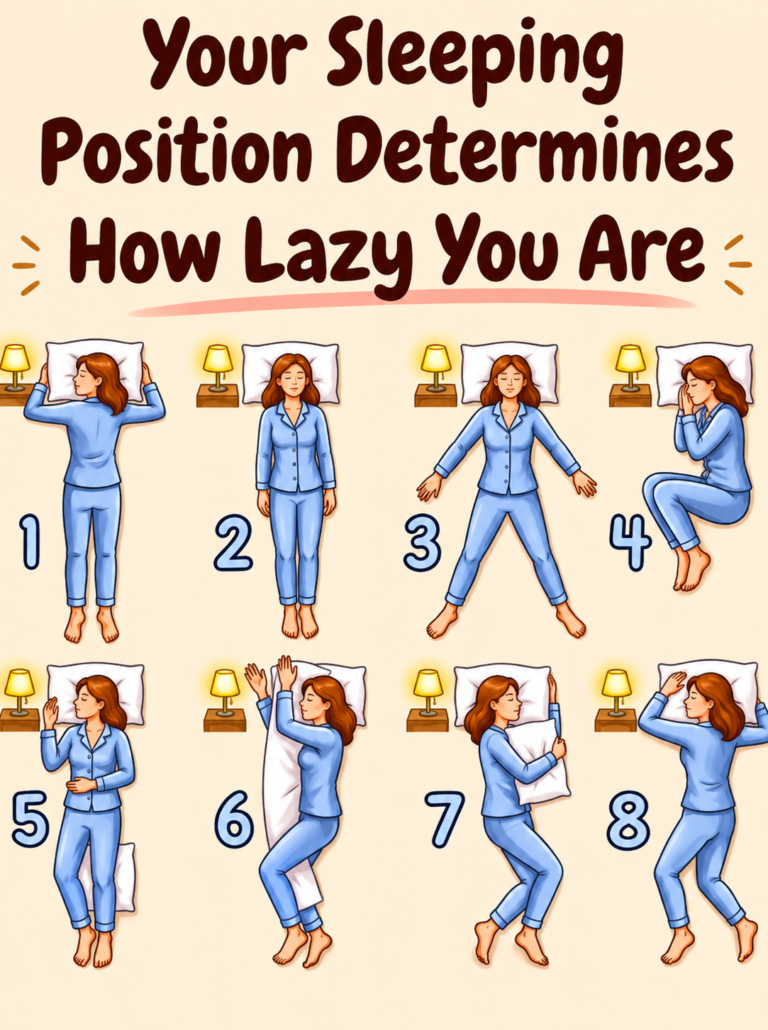
Have you ever wondered what your sleeping position says about you? Some people sleep on their backs, others curl up on their sides, and some stretch out across the entire bed.
The internet is full of fun quizzes claiming that your favorite sleeping position reveals whether you’re lazy, active, shy, or adventurous. But is there really a connection between the way you sleep and your personality?
While sleeping positions can be interesting to explore, there is no strong scientific evidence that they determine your personality or how lazy you are.
Still, understanding different sleeping positions can help you learn more about comfort, sleep habits, and what works best for your body.
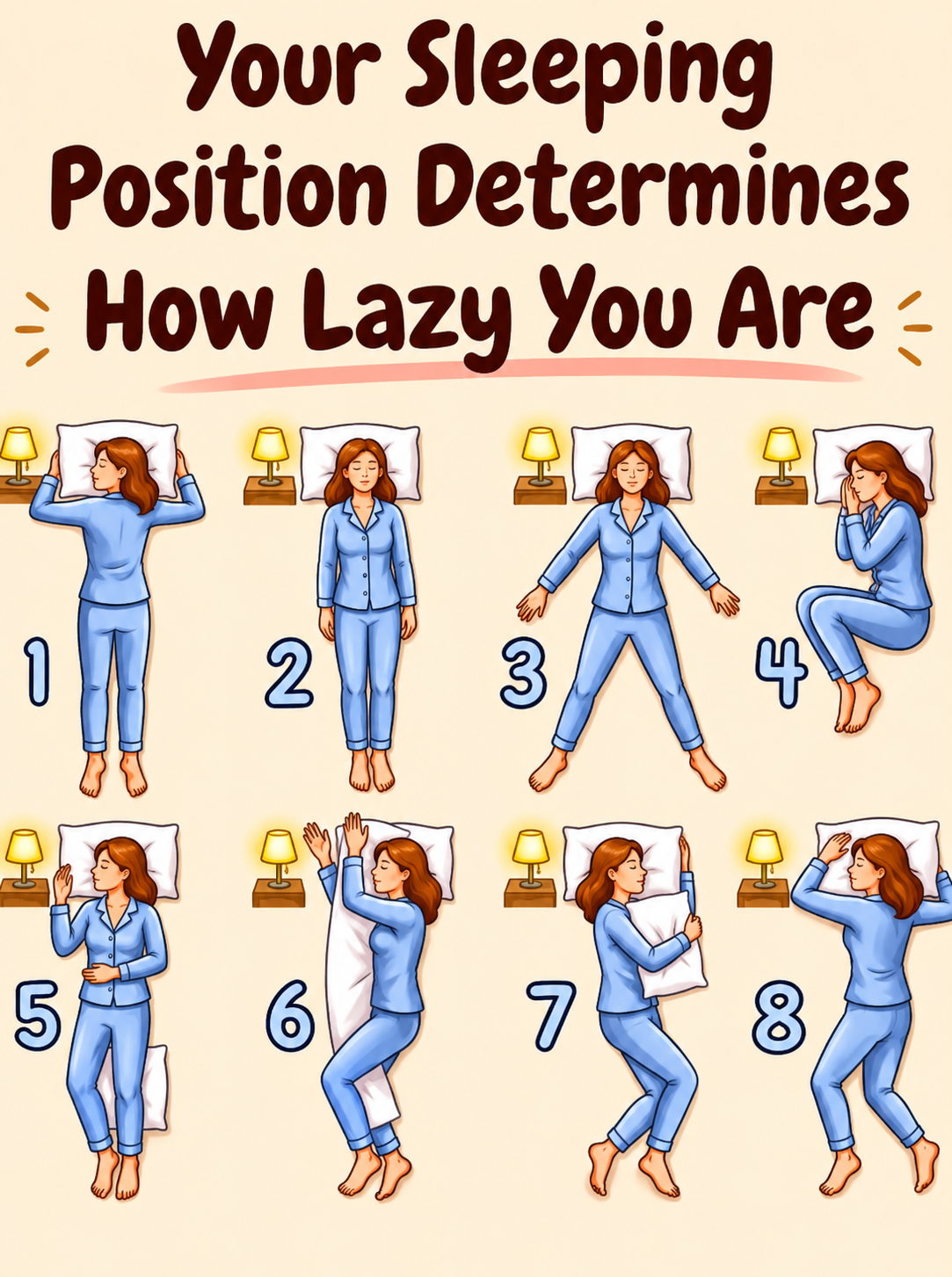
Let’s explore eight common sleeping positions!
1. Sleeping on Your Back With Your Arms at Your Sides
This position is sometimes called the soldier position.
You lie flat on your back with your legs straight and your arms resting beside your body.
Some people find this position comfortable because it keeps the body relatively straight. However, sleeping on your back may worsen snoring or obstructive sleep apnea in some individuals.
If you enjoy this position and wake up feeling refreshed, it may simply be what feels most comfortable to you.
2. Sleeping Straight on Your Back
In this position, you lie on your back with your arms resting naturally alongside your body.
It may feel relaxing because your body is not tightly curled or twisted.
For some people, a pillow that supports the natural curve of the neck can make this position more comfortable.
However, people who experience frequent snoring or sleep apnea may benefit from discussing alternative positions with a healthcare professional.
3. Sleeping With Arms and Legs Spread Out
This position is often called the starfish position.
You lie on your back with your arms and legs spread out across the bed.
Some people naturally move into this position because they enjoy having plenty of space while sleeping.
If you share a bed, however, this position might take up more room than your partner would like!
4. Sleeping Curled Up in a Fetal Position
The fetal position is one of the most recognizable sleeping positions.
You lie on your side with your knees bent toward your chest, similar to the position of a baby before birth.
Many people find this position comfortable and relaxing.
If you sleep this way, try not to curl your body too tightly. A more relaxed position may help reduce unnecessary pressure on your back and hips.
A pillow between your knees may also improve comfort.
5. Sleeping on Your Side With Your Arms Close to Your Body
Some people sleep on their side with their arms resting near their chest or along their body.
This position can feel natural and comfortable, especially for people who prefer not to sleep on their backs.
Side sleeping may also help reduce snoring for some people.
Choosing a pillow that keeps your head and neck aligned with your spine can make a difference.
6. Sleeping With Your Arms Raised Near Your Head
This position is sometimes called the star-gazer position.
You sleep on your back or slightly turned to one side, with your arms raised near your head.
Some people find this position comfortable, although keeping the arms raised for long periods may cause discomfort or numbness in certain individuals.
If you frequently wake up with tingling or pain, consider adjusting your position and speaking with a healthcare professional if the problem continues.
7. Sleeping on Your Side With Your Arms Around a Pillow
In this position, you lie on your side while hugging a pillow or placing your arms around it.
Many people enjoy this position because it feels cozy and provides something comfortable to hold.
A body pillow can also help support your knees, hips, and upper body while sleeping.
It is a simple option for people who prefer side sleeping.
8. Sleeping on Your Stomach With Your Arms Around a Pillow
Some people prefer sleeping on their stomachs while hugging or resting their arms around a pillow.
Although this position may feel comfortable, stomach sleeping can sometimes place extra pressure on the neck because the head needs to turn to one side.
It may also increase discomfort in the lower back for some people.
If you prefer sleeping on your stomach, a thinner pillow may help reduce neck strain.
Does Your Sleeping Position Reveal Your Personality?
You may have seen online quizzes claiming that sleeping positions reveal whether someone is lazy, confident, shy, or independent.
These claims can be entertaining, but they should not be treated as scientific facts.
Your preferred sleeping position is influenced by several factors, including:
- Personal comfort
- Sleeping habits
- Mattress and pillow support
- Physical discomfort
- Breathing and snoring patterns
- Pregnancy and other physical changes
Your sleeping position does not determine your intelligence, personality, motivation, or work ethic.
Which Sleeping Position Is Best for Your Health?
There is no single sleeping position that is perfect for everyone.
The best position often depends on your comfort and individual health needs.
Here are a few general points:
Side sleeping: May help reduce snoring and can be helpful for some people with obstructive sleep apnea.
Back sleeping: May feel comfortable for the spine, but can worsen snoring or sleep apnea in some people.
Stomach sleeping: May be comfortable for certain people, but can place extra pressure on the neck and lower back.
If you regularly wake up with pain, numbness, or breathing problems, consider discussing your sleep habits with a healthcare professional.
5 Simple Tips for Better Sleep
Regardless of your favorite sleeping position, healthy sleep habits can make a difference.
- Keep a regular sleep schedule: Try to go to bed and wake up at similar times each day.
- Choose a comfortable pillow: Make sure it supports your head and neck.
- Create a relaxing bedroom: Keep your sleeping space quiet, dark, and comfortable.
- Limit caffeine late in the day: Coffee and other caffeinated drinks can interfere with sleep.
- Reduce screen time before bed: Give yourself time to relax before going to sleep.
Frequently Asked Questions
Does sleeping position determine personality?
No. There is no strong scientific evidence that your sleeping position determines your personality or whether you are lazy or hardworking.
What is the healthiest sleeping position?
It depends on the individual. Side sleeping may help some people with snoring, while others find back sleeping more comfortable. Personal health conditions also matter.
Is sleeping on your stomach bad?
Not necessarily, but it can place extra pressure on your neck and lower back. If you regularly wake up with pain, consider trying another position.
Why do I change sleeping positions during the night?
Changing positions during sleep is normal. People naturally move to improve comfort and relieve pressure on different parts of the body.
Is the fetal position good for sleeping?
Many people find it comfortable. Try to avoid curling too tightly and consider placing a pillow between your knees for extra support.
Final Thoughts
Whether you sleep like a starfish, curl up in the fetal position, or hug a pillow all night, your sleeping position is part of your personal sleep habits.
It may be fun to compare your favorite position with those of your friends and family, but remember that it cannot reveal whether someone is lazy or hardworking.
The most important thing is getting comfortable, restful sleep and waking up ready for the day.
Which of these eight sleeping positions looks most like yours? Tell us your number in the comments!
Disclaimer: This article is for general informational and entertainment purposes only. It is not a substitute for professional medical advice or treatment.