Egg Yolk Color: Which Egg Comes From a Healthier Chicken?
Have you ever cracked open an egg and noticed that its yolk was pale yellow, bright golden, or deep orange? Many people believe that a darker orange yolk means the egg came from a healthier chicken. But is that really true?
Egg yolk color can tell us something interesting about what a hen eats. However, it does not automatically reveal whether the chicken is healthy or whether the egg is more nutritious.
Let’s explore what the different egg yolk colors actually mean and what you should look for when choosing eggs.
What Do Different Egg Yolk Colors Mean?
Egg yolks naturally range from pale yellow to deep orange. This variation is mainly influenced by the hen’s diet, particularly the pigments found in certain plants.
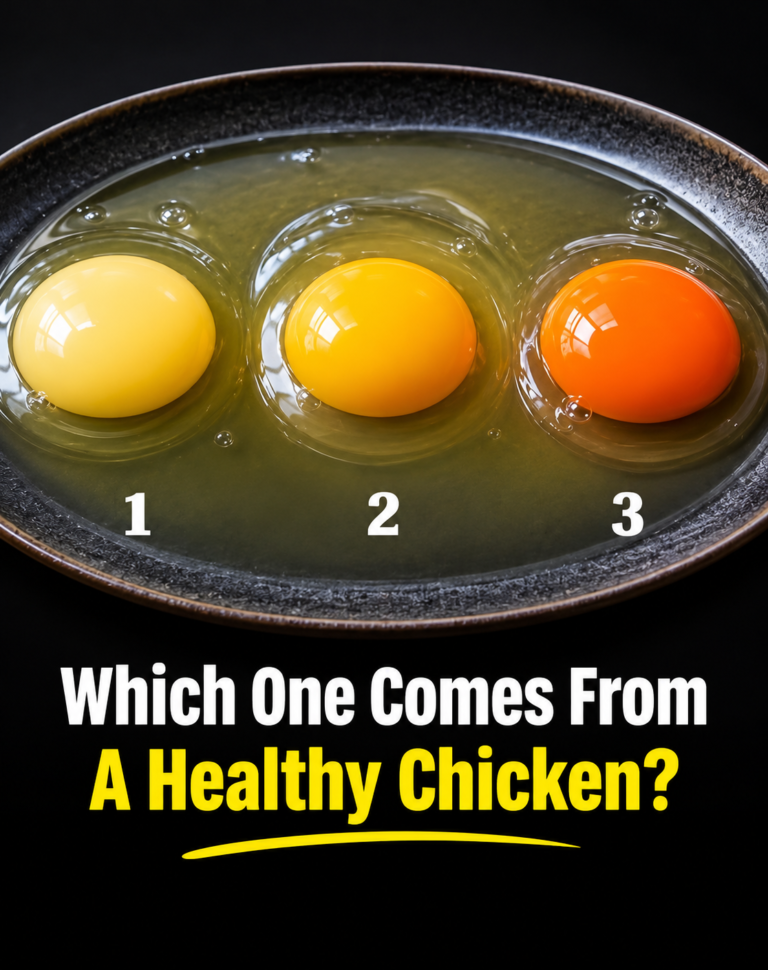
Here is what the three colors in the popular egg comparison image may indicate.
1. Pale Yellow Egg Yolk
A pale yellow yolk may come from a hen whose feed contains fewer yellow and orange plant pigments.
Wheat-based feeds and certain grain-based diets can produce lighter-colored yolks.
This does not mean the hen is unhealthy. A pale yolk can still come from a healthy chicken and provide valuable nutrients.
2. Golden Yellow Egg Yolk
A golden yellow yolk often indicates that the hen has consumed feed containing moderate amounts of natural pigments.
Ingredients such as yellow corn and other plant-based foods can contribute to this color.
Golden yolks are common in eggs sold in supermarkets and can be part of a balanced diet.
3. Deep Orange Egg Yolk
A deep orange yolk often indicates a diet richer in carotenoids, natural pigments found in foods such as leafy greens, alfalfa, and marigold.
Hens that have access to certain plants and other carotenoid-rich ingredients may produce eggs with darker yolks.
However, an orange yolk does not prove that the chicken is healthier or that the egg is automatically better.
Does a Dark Orange Egg Yolk Mean a Healthier Chicken?
Not necessarily!
This is one of the biggest misconceptions about eggs.
The color of an egg yolk is primarily influenced by the hen’s diet. It is not a reliable health test for the chicken.
A hen can produce a pale yellow yolk while being perfectly healthy. Similarly, a dark orange yolk does not guarantee that the hen received better care.
If you want to understand how chickens are raised, look beyond yolk color. Consider the farming practices, feed quality, living conditions, and information provided by the egg producer.
Is an Orange Egg Yolk More Nutritious?
A darker yolk may contain more of certain carotenoid pigments, depending on the hen’s diet.
However, yolk color alone cannot tell you the complete nutritional value of an egg.
Eggs naturally provide several important nutrients, including:
- High-quality protein
- Vitamin B12
- Vitamin D
- Choline
- Selenium
- Vitamin A
Some eggs are specifically enriched with nutrients such as omega-3 fatty acids or vitamin D. When comparing these products, check the nutrition information on the carton instead of judging the eggs by their appearance.
What Actually Makes an Egg a Good Choice?
Rather than choosing eggs based only on yolk color, consider these practical factors:
1. Check the Egg Carton
Look for information about the producer, storage instructions, expiration or best-before dates, and farming claims.
2. Consider How the Hens Are Raised
Labels such as cage-free, free-range, and pasture-raised describe different production practices. They do not all mean the same thing, so check what each label actually guarantees.
3. Check Freshness and Storage
In the United States, refrigerated eggs should be kept at 40°F (4°C) or below. Follow the storage instructions on the carton and avoid eggs with cracked shells.
4. Cook Eggs Properly
Proper handling and cooking are important for food safety. Avoid eating raw or undercooked eggs unless you are using pasteurized eggs in recipes that require them.
Can Egg Yolk Color Change Over Time?
Yes. If a hen’s diet changes, the color of the yolks she produces may also change.
For example, a diet containing more yellow corn, green plants, or other carotenoid-rich ingredients may result in darker yolks.
This is why eggs from the same flock can sometimes have slightly different yolk colors.
Frequently Asked Questions
Which egg yolk color is the healthiest?
There is no single yolk color that proves an egg is the healthiest. Pale yellow, golden, and orange yolks can all come from healthy hens.
Are orange egg yolks better than yellow ones?
Not automatically. Orange yolks generally indicate a higher intake of certain natural pigments, but color alone does not determine overall nutritional value.
Does a pale egg yolk mean the chicken is unhealthy?
No. Pale yolks are often related to the type of feed a hen receives and are not, by themselves, a sign of poor health.
Do free-range chickens produce darker egg yolks?
They may, particularly when they have access to plants containing carotenoids. However, the actual yolk color still depends on their overall diet.
Can farmers make egg yolks darker?
Yes. Poultry producers can influence yolk color by including carotenoid-rich ingredients in chicken feed. This means a darker yolk does not necessarily prove that a hen was raised outdoors.
Final Thoughts
So, which egg comes from a healthier chicken: number 1, 2, or 3?
The honest answer is that you cannot determine a chicken’s health from yolk color alone.
A pale yellow yolk, a golden yolk, and a deep orange yolk can all come from healthy hens. The biggest factor behind these color differences is usually the hen’s diet.
Next time you crack open an egg, remember that a darker yolk may look