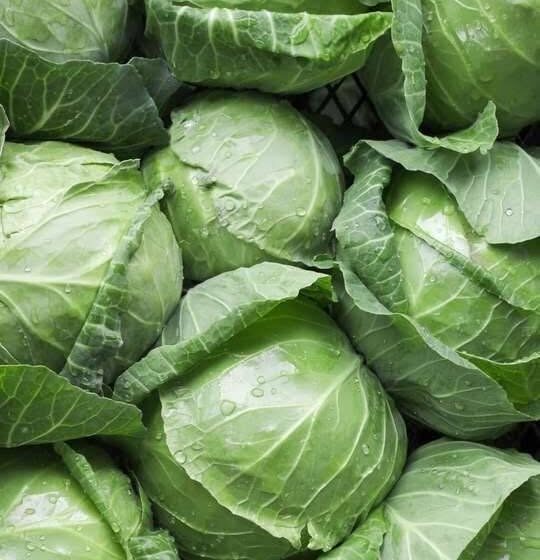
Rediscovering Cabbage: The Nutritional Powerhouse Your Kitchen Needs
For decades, cabbage suffered from an unfair reputation as a bland, overcooked, and pungent vegetable relegated to the back of the crisper drawer. However, the culinary and medical communities have recently championed this humble cruciferous vegetable for what it truly is. It is an accessible, durable, and profound nutritional powerhouse that deserves a prominent place in your daily diet.
The Health Benefits of a Humble Vegetable
Incorporating cabbage into your regular meals offers transformative benefits for your overall well-being. It serves as a dynamic source of vitamins C and K, while its rich concentration of antioxidants actively combats inflammation. The high fiber content is exactly what your gut microbiome needs to thrive, promoting natural detoxification and providing a robust boost to your immune system. Furthermore, these same antioxidants contribute to maintaining fresh, youthful-looking skin, making cabbage a true ally for both internal health and external radiance.
The Culinary Transformation
Knowing the health benefits is only the first step. The true challenge lies in preparing cabbage in a way that makes you crave it daily. To achieve this, you will need half a medium head of green or red cabbage, thinly shredded to yield about four to five cups. You will also need two tablespoons of a healthy fat, such as extra-virgin olive oil or avocado oil, which is essential for helping your body absorb fat-soluble vitamins like vitamin K. The flavor profile is built upon three large cloves of minced fresh garlic and one tablespoon of grated fresh ginger, both of which offer prebiotic and anti-inflammatory properties. Finally, gather one tablespoon of apple cider vinegar or fresh lemon juice, half a teaspoon of sea salt, freshly cracked black pepper, and an optional pinch of red pepper flakes for a touch of metabolic-boosting heat.
Mastering the Cooking Process
Mastering the Cooking Process
Begin by removing any tough outer leaves, cutting the cabbage in half, and removing the core before slicing it into thin, uniform ribbons. This thin slicing is crucial for proper caramelization. Heat your chosen oil in a large skillet or wok over medium-high heat until it shimmers. Add the shredded cabbage, which will initially look like a mountain in the pan, and let it cook undisturbed for three to four minutes. This patience allows beautiful, golden-brown, crispy edges to form, creating the foundation of the dish’s flavor.
Next, push the cabbage to the sides of the pan to create a well in the center. Add the minced garlic and grated ginger to this center space, allowing them to toast in the oil for about thirty seconds until highly fragrant, then toss everything together. Finally, remove the pan from the heat and immediately drizzle the apple cider vinegar or lemon juice over the mixture. Toss vigorously to deglaze the pan and mellow the sharpness of the cabbage, then season to taste with salt, pepper, and red pepper flakes.
Technique and Customization
To ensure the best results, avoid overcooking the cabbage. It should retain a satisfying crunch, as cooking it until mushy releases unpleasant sulfur compounds and destroys its vibrant texture. If you prefer to eat it raw, thinly slice the cabbage, sprinkle it with salt, and massage it with your hands for two minutes to break down the cell walls and improve digestibility. For those using red cabbage, adding a splash of vinegar early in the cooking process helps lock in its stunning purple hue, preventing it from turning a dull blue-gray.
To elevate this side dish into a complete meal, consider tossing in a can of drained chickpeas during the final minutes of cooking, or serve it alongside pan-seared salmon or crispy tofu. You can also deepen the savory profile by adding a tablespoon of tamari or soy sauce with the vinegar, and finish the dish with a crunchy topping of toasted sesame seeds, sliced almonds, or crispy fried onions.
Addressing Common Concerns
Many people worry that cabbage causes gas and bloating. While it does contain raffinose, a complex sugar that can be difficult to digest when raw, cooking the cabbage thoroughly as described in this recipe significantly breaks down those compounds. Starting with smaller portions and chewing your food well also makes a massive difference.
When comparing varieties, both green and red cabbage are incredibly healthy, though red cabbage holds a slight edge. The pigment responsible for its purple color is anthocyanin, a powerful antioxidant linked to reduced inflammation and improved heart health. Additionally, this dish is an excellent candidate for meal preparation. The flavors continue to meld beautifully overnight, and it can be stored in an airtight container in the refrigerator for up to four days. You can reheat it gently in a skillet to maintain its texture or enjoy it cold as a crunchy salad topping.
A Final Thought on Simple Nutrition
It is easy to become distracted by the hype surrounding expensive superfoods and trendy supplements, but profound healing often comes from the simplest, most affordable ingredients. Cabbage is a perfect testament to this truth. It is inexpensive, stores well for weeks, and delivers a massive return on investment for your gut, your skin, and your overall vitality. By giving this humble vegetable the starring role it deserves on your dinner plate, you can transform your health and your culinary routine.
Mastering the Cooking Process
Begin by removing any tough outer leaves, cutting the cabbage in half, and removing the core before slicing it into thin, uniform ribbons. This thin slicing is crucial for proper caramelization. Heat your chosen oil in a large skillet or wok over medium-high heat until it shimmers. Add the shredded cabbage, which will initially look like a mountain in the pan, and let it cook undisturbed for three to four minutes. This patience allows beautiful, golden-brown, crispy edges to form, creating the foundation of the dish’s flavor.
Next, push the cabbage to the sides of the pan to create a well in the center. Add the minced garlic and grated ginger to this center space, allowing them to toast in the oil for about thirty seconds until highly fragrant, then toss everything together. Finally, remove the pan from the heat and immediately drizzle the apple cider vinegar or lemon juice over the mixture. Toss vigorously to deglaze the pan and mellow the sharpness of the cabbage, then season to taste with salt, pepper, and red pepper flakes.
Technique and Customization
To ensure the best results, avoid overcooking the cabbage. It should retain a satisfying crunch, as cooking it until mushy releases unpleasant sulfur compounds and destroys its vibrant texture. If you prefer to eat it raw, thinly slice the cabbage, sprinkle it with salt, and massage it with your hands for two minutes to break down the cell walls and improve digestibility. For those using red cabbage, adding a splash of vinegar early in the cooking process helps lock in its stunning purple hue, preventing it from turning a dull blue-gray.
To elevate this side dish into a complete meal, consider tossing in a can of drained chickpeas during the final minutes of cooking, or serve it alongside pan-seared salmon or crispy tofu. You can also deepen the savory profile by adding a tablespoon of tamari or soy sauce with the vinegar, and finish the dish with a crunchy topping of toasted sesame seeds, sliced almonds, or crispy fried onions.
Addressing Common Concerns
Many people worry that cabbage causes gas and bloating. While it does contain raffinose, a complex sugar that can be difficult to digest when raw, cooking the cabbage thoroughly as described in this recipe significantly breaks down those compounds. Starting with smaller portions and chewing your food well also makes a massive difference.
When comparing varieties, both green and red cabbage are incredibly healthy, though red cabbage holds a slight edge. The pigment responsible for its purple color is anthocyanin, a powerful antioxidant linked to reduced inflammation and improved heart health. Additionally, this dish is an excellent candidate for meal preparation. The flavors continue to meld beautifully overnight, and it can be stored in an airtight container in the refrigerator for up to four days. You can reheat it gently in a skillet to maintain its texture or enjoy it cold as a crunchy salad topping.
A Final Thought on Simple Nutrition
It is easy to become distracted by the hype surrounding expensive superfoods and trendy supplements, but profound healing often comes from the simplest, most affordable ingredients. Cabbage is a perfect testament to this truth. It is inexpensive, stores well for weeks, and delivers a massive return on investment for your gut, your skin, and your overall vitality. By giving this humble vegetable the starring role it deserves on your dinner plate, you can transform your health and your culinary routine.