Walk into a spice market in the Middle East, North Africa, or South Asia and you’re likely to find small, jet-black seeds sold in big sacks. These are black seeds, the seeds of the Nigella sativa plant, also known as black cumin, kalonji, or nigella. For centuries they have been used in cooking, baking, and traditional home remedies.
One of the most popular ways to enjoy them is mixed with raw honey. The seeds bring a bold, peppery, slightly bitter flavor, and honey softens the edge with natural sweetness. In this guide you’ll learn what black seed is, how to prepare it with honey, how people use it, and the safety facts to know before you start.
What Is Black Seed?
Black seed comes from a flowering plant native to parts of Asia and the Mediterranean. The tiny, angular seeds contain plant compounds, including one called thymoquinone, which researchers continue to study.
In the kitchen, black seed is used to:
- Sprinkle on naan, flatbreads, and bagels
- Flavor pickles, curries, and lentil dishes
- Add a peppery note to roasted vegetables
- Season cheese, yogurt, and dips
The flavor is often described as earthy, slightly smoky, and a little bitter, somewhere between oregano, cumin, and onion.
Whole vs. Ground Black Seed
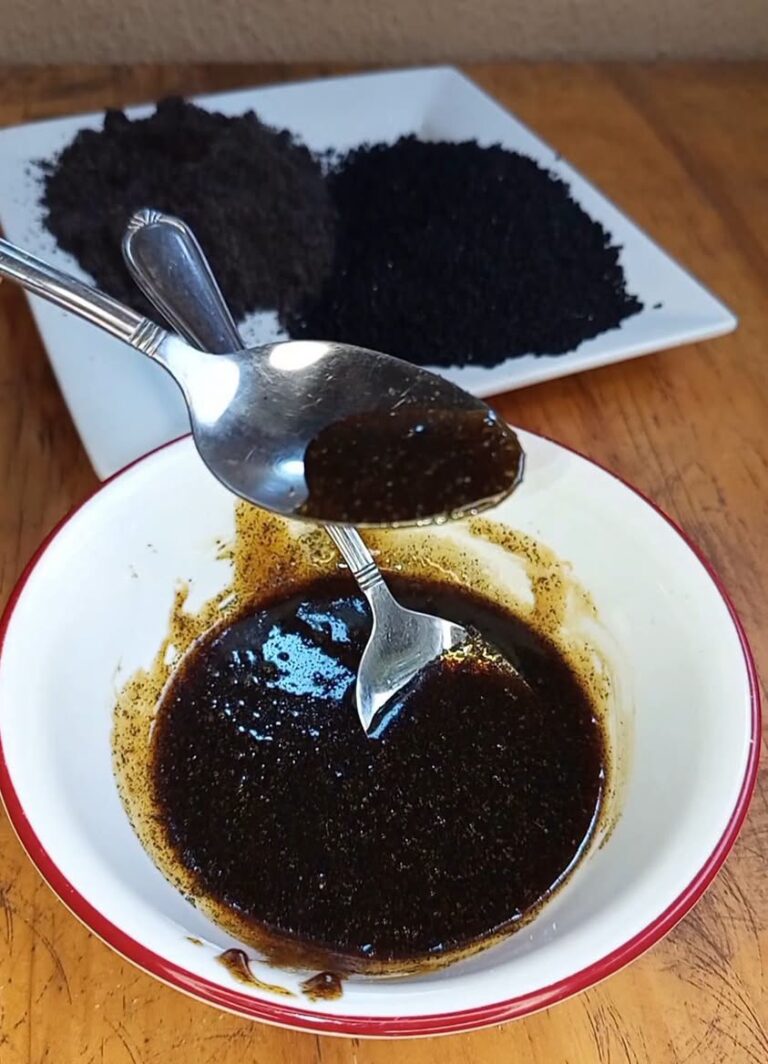
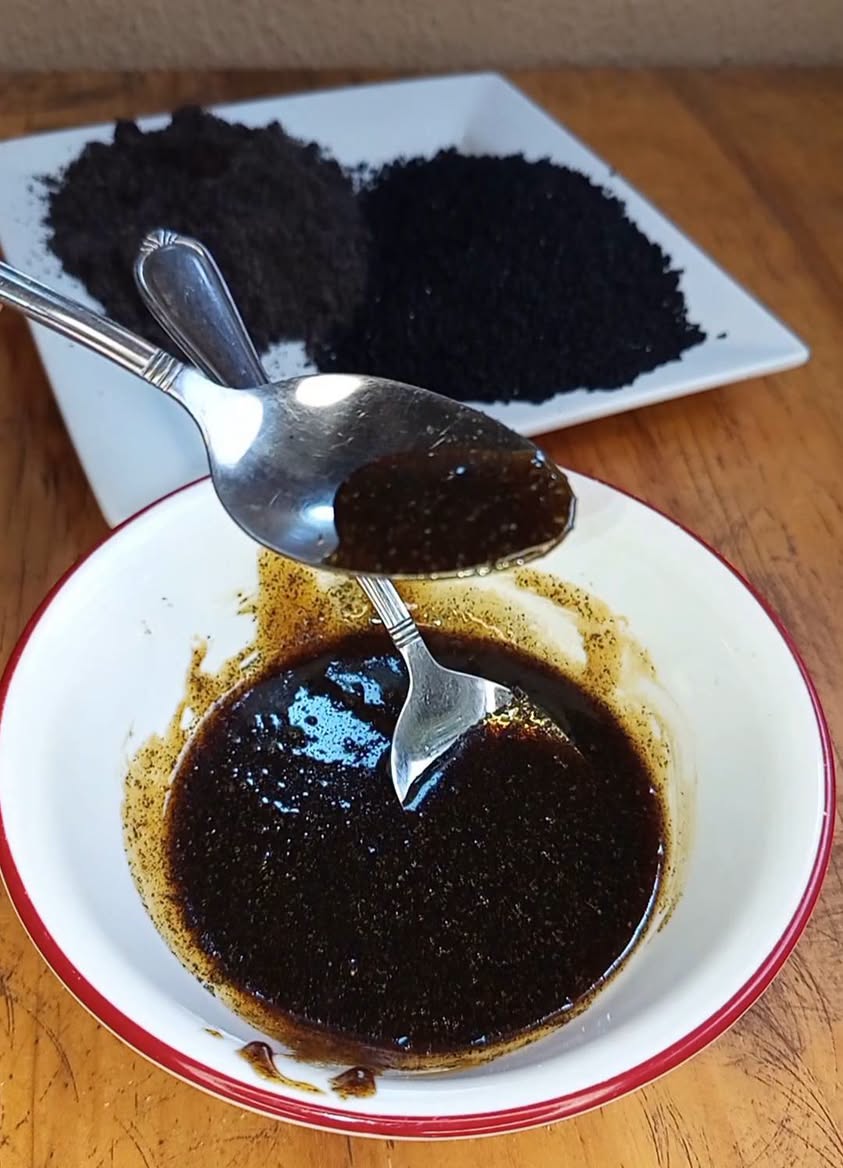
As the photo shows, black seed is commonly used in two forms:
- Whole seeds keep their flavor longer and look attractive sprinkled on breads and salads.
- Ground black seed blends easily into honey, tea, smoothies, and yogurt. It has a stronger, more immediate flavor, but it loses its aroma faster, so grind small batches.
Grinding fresh in a clean spice grinder or mortar gives the best flavor.
What Does Honey Add?
Honey is a natural sweetener that balances black seed’s bitterness. Raw honey also has a thick texture that helps carry the ground seeds into a smooth paste. Beyond flavor, honey contains small amounts of antioxidants and has a long history in home cooking and traditional drinks.
Keep in mind that honey is still a sugar, so it’s best enjoyed in modest amounts as part of a balanced diet.
What Does the Science Actually Say?
This is where many online posts go wrong. Here’s the honest picture:
- Black seed has a long history of traditional use and is widely eaten as a spice.
- Some small studies suggest it may have modest effects on things like blood sugar and blood pressure, but this research is limited, and results aren’t strong enough to call it a treatment for any condition.
- There is no reliable evidence that black seed and honey cure diseases, “detox” the body, or replace medical treatment.
- Quality, dose, and form (seed, powder, or oil) vary widely between products.
Think of black seed and honey as a flavorful traditional food, not a medicine.
Who Should Be Careful?
Black seed is generally fine in the small amounts used in cooking, but concentrated or daily medicinal-style use is different. Talk to your doctor or pharmacist before using it regularly if you:
- Are pregnant or breastfeeding
- Take blood thinners or have a bleeding disorder
- Take diabetes medication (black seed may lower blood sugar)
- Take blood pressure medication
- Take immunosuppressants after a transplant or for an autoimmune condition
- Have an upcoming surgery
- Have a seed or spice allergy
Never give honey to babies under 12 months old, since it can carry a risk of infant botulism.
How to Make Black Seed Honey Paste
Ingredients
- 2 tablespoons ground black seed
- ½ cup raw or pure honey
- A clean, dry glass jar with a lid
Instructions
- If you’re starting with whole seeds, grind them in a clean, dry spice grinder or mortar until fine. Use short pulses to avoid heating them.
- Place the ground seed in a small bowl.
- Pour in the honey and stir until fully combined into a thick, smooth paste.
- Transfer to a clean, dry jar and seal.
- Store in a cool, dark cupboard.
Storage: use within about 1 month for the best flavor. Always use a clean, dry spoon, since moisture can spoil honey mixtures. Discard it if you notice mold, fermentation bubbles, or a sour smell.
Easy Ways to Enjoy It
- Stirred into warm (not boiling) water or herbal tea. Very hot water can dull honey’s delicate flavors.
- On toast with butter or tahini.
- Swirled into plain yogurt with sliced fruit.
- Mixed into oatmeal or porridge.
- Blended into smoothies with banana or dates.
- Drizzled over roasted carrots or sweet potatoes for a sweet, peppery glaze.
Start with a small amount, about ½ teaspoon, to see how you like the flavor and how your body responds. Black seed can be strong, and some people find it upsets the stomach if they take too much.
Simple Black Seed Honey Tea
Ingredients
- 1 cup hot water (not boiling)
- ½ teaspoon black seed honey paste
- A squeeze of lemon (optional)
- A slice of fresh ginger (optional)
Instructions
- Let the water cool for a minute after boiling.
- Stir in the black seed honey paste until dissolved.
- Add lemon or ginger if you like.
- Sip warm.
Tips for Buying Black Seed and Honey
- Choose fresh, fragrant seeds. They should be uniformly black and have a sharp, spicy aroma. Old seeds smell flat or musty.
- Buy small amounts so the seeds stay fresh, or buy whole seeds and grind as needed.
- Pick pure honey. Check the label for 100% honey with no added syrups.
- Store seeds in an airtight container away from light and heat.
- Look for reputable brands, since supplement quality can vary.
Frequently Asked Questions
Is black seed the same as black sesame?
No. They look similar but are different plants with different flavors. Black seed (nigella) is peppery and bitter, while black sesame is nutty and mild.
Is black seed the same as black cumin?
Nigella sativa is often called black cumin, though the name can also refer to a different spice in some regions. Check the botanical name on the package if you’re unsure.
Can I eat black seed with honey every day?
Small culinary amounts are common in many traditions, but if you plan to use it daily, especially in larger amounts, check with your healthcare provider first, particularly if you take medication.
Does black seed honey cure illnesses?
No. It’s a traditional food, and there’s no reliable evidence that it cures diseases. Anyone with symptoms or health concerns should see a medical professional.
Can children have it?
Children over 12 months can have small amounts of honey. Ask a pediatrician before giving children black seed regularly.
What does black seed taste like?
Earthy, peppery, slightly bitter, with hints of oregano and onion. Honey rounds it out nicely.
Whole or ground: which is better?
Whole seeds stay fresh longer, while ground seeds blend more easily. Grinding small batches at home gives the best balance.
Final Thoughts
Black seed and honey is a flavorful pairing with deep roots in traditional kitchens. Enjoyed in small amounts, it’s a simple way to add earthy, peppery depth and a touch of sweetness to everyday foods. Treat it as a tasty ingredient rather than a cure-all, and check with a healthcare provider if you’re pregnant, on medication, or managing a health condition.
Have you ever tried black seed with honey? How do you like to use it? Share your experience in the comments!