Have you ever thought about giving garlic peels a second life? If the answer is no, you’d be surprised to learn how beneficial these vegetable scraps can be for your garden! In this article, we reveal all the zero-waste tips to make the most of these little wonders.
Is garlic good for plants?
Garlic peelings –
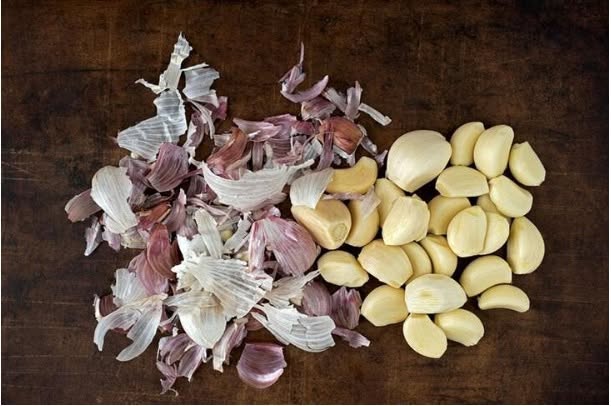
Garlic peels are rich in vitamins C, K, and E, as well as antioxidants. But did you also know they can work wonders for your garden? With their fertilizing potential and their ability to repel harmful insects, you’ll never throw them away again!
Why keep garlic skins and save them for other uses? The benefits of garlic peels for the garden
Garlic skins are a veritable goldmine, packed with vitamins beneficial to the garden. So why not use them to fertilize your plants? You can create a natural and effective fertilizer simply by adding them to your homemade compost, or you can use them to protect your plants against fungal diseases. Are you ready to give your garden a boost by recycling your garlic peels? Let’s do it together!
What to do with garlic peels and how to use them?
No need to buy expensive chemicals to protect your garden; you have everything you need in your kitchen! And what’s more, this tip will allow you to use your food scraps for the benefit of your plants!
Keep aphids and parasites away from your rose bushes
Rosebush –
Do you adore your beautiful roses, but aphids have invaded them? Don’t worry, we have a solution to save them! A simple, natural, and above all, free way to get rid of these unwanted little insects: garlic peels! They make an excellent homemade repellent against garden pests, including aphids. Simply place a few garlic peels around your beautiful roses, and the garlic’s repellent scent will drive them away in no time!
Prepare an infusion from garlic peels to protect your plants
If you have a garden or greenhouse, save your garlic peels! Create a natural decoction to protect your plants! Garlic is truly a treasure of nature, possessing antifungal and antiparasitic properties that can help combat many garden diseases. This infusion is particularly effective in preventing mildew, rust, aphids, and brown rot. To make it, follow these steps:
- Boil 100g of garlic skins in one liter of water for 30 minutes.
- Let it cool for a few minutes.
- Next, filter and spray the mixture onto the leaves and base of your plants.
Add garlic peels to your compost to make a natural fertilizer.
To use garlic peels as fertilizer, you have two options:
- The first method involves adding them to your compost in small quantities.
- The second option is to prepare a garlic infusion by soaking 100g of peelings in one liter of rainwater for 24 hours, then filtering the mixture. Simply spray the liquid on your plants every 15 days to improve their growth.
Protect your carrot crops
Carrot cultivation –
Did you know that garlic manure is an excellent way to protect your carrots from mold? Rather than wasting your precious garlic cloves, you can use the peels, stems, roots, and flower heads to prepare this beneficial solution for your crops. What’s more, it’s also possible to extend the shelf life of your autumn harvest by using garlic peels.
Combating wireworms and the Colorado potato beetle
Only those with a green thumb know this! Garlic cloves are a great help in protecting potato plants from wireworm damage. By adding a handful of these little wonders under the roots when transplanting or planting seedlings, you can significantly reduce the risk of infestation and improve the health of your plants. This natural trick is easy to implement and can make all the difference in achieving a healthy and abundant harvest!
So dear readers, instead of throwing your garlic peels in the bin, why not use them to feed your plants and maintain your garden? It’s a natural, economical, and ecological solution!