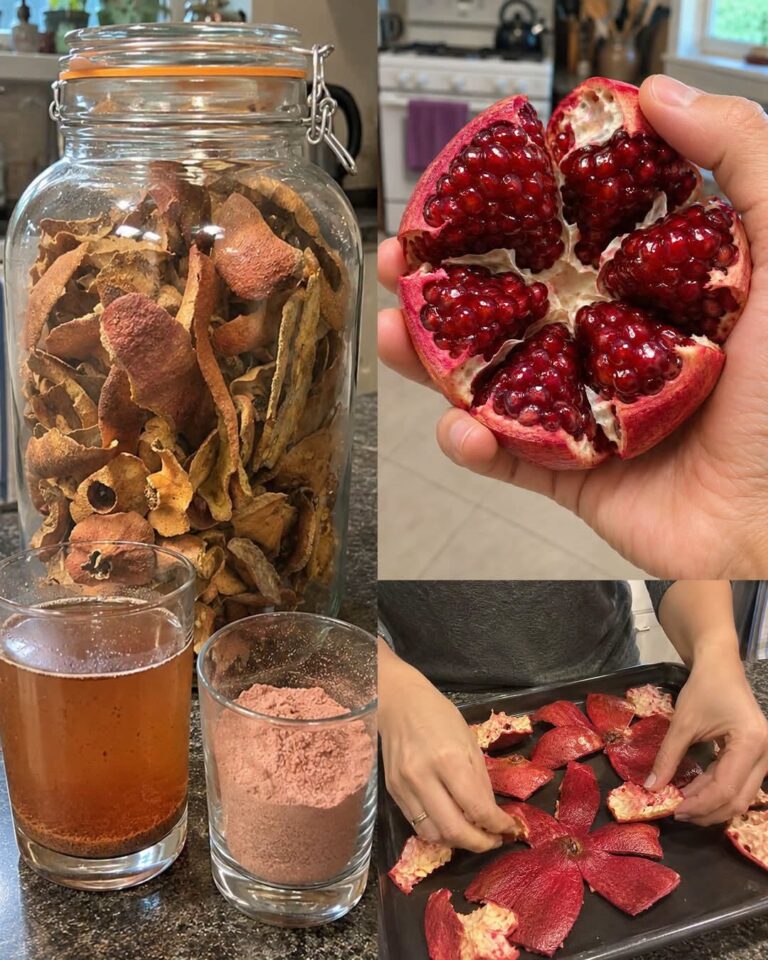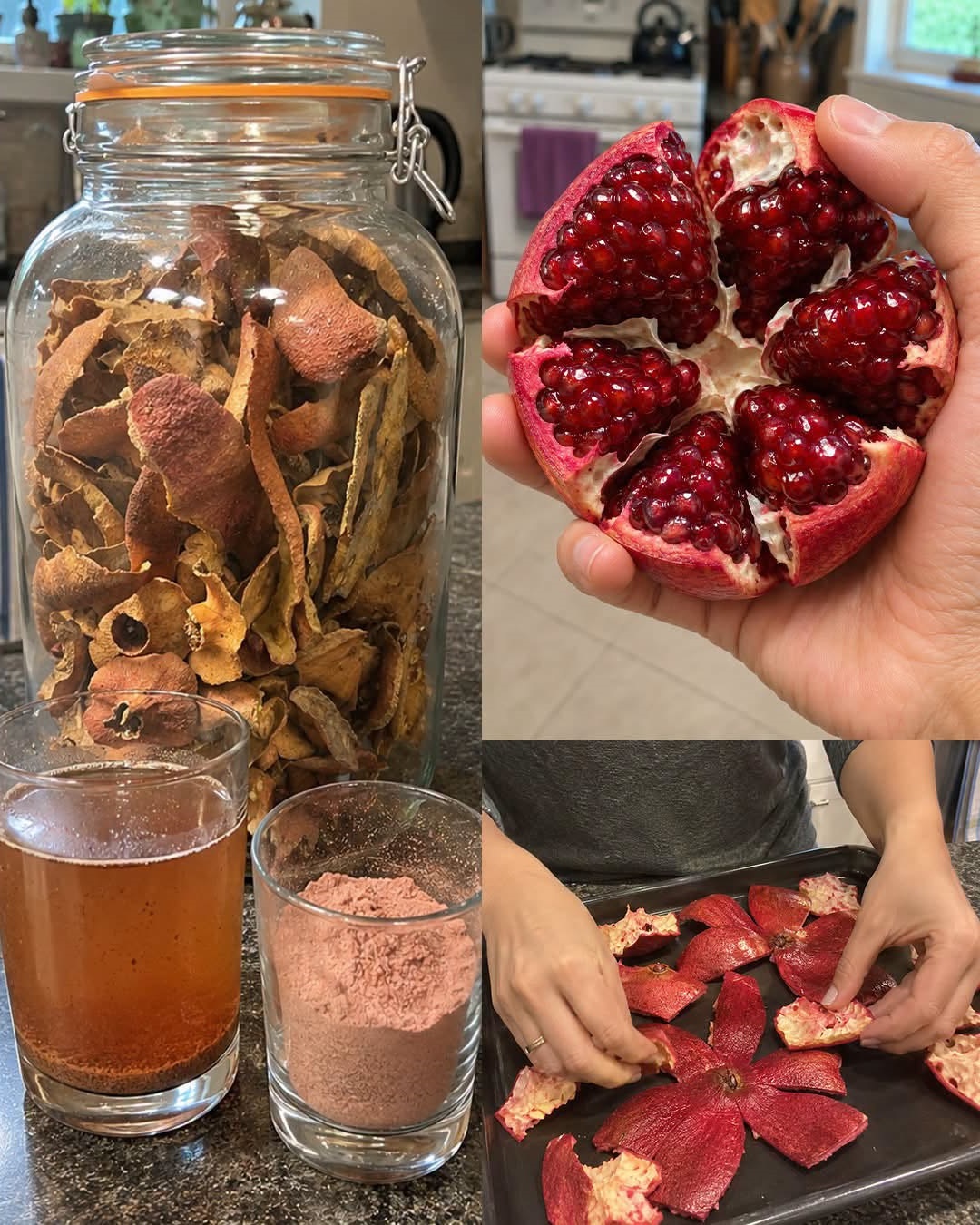
The Hidden Power of Pomegranate Peels: Benefits, Uses, and How to Make Pomegranate Peel Powder at Home
Most of us love eating the sweet, juicy, ruby-red seeds of a pomegranate. But once we finish enjoying the fruit, what happens to the thick outer skin? For many people, it goes straight into the trash without a second thought.
However, pomegranate peels contain valuable natural plant compounds, including polyphenols, tannins, and antioxidants. These compounds have attracted scientific interest because of their potential antioxidant and antimicrobial properties.
Rather than automatically throwing away these colorful peels, you can explore ways to reuse them in your home. From making homemade pomegranate peel powder to incorporating it into simple skincare preparations, there are several interesting ways to make use of this often-overlooked part of the fruit.
Research into pomegranate peel is still developing, and not every traditional remedy has been proven effective in humans. Nevertheless, understanding its natural compounds, potential benefits, and safety precautions can help you make informed decisions.
Here is what you should know about pomegranate peel benefits, how to prepare pomegranate peel powder, and some practical ways to use it at home.
What Makes Pomegranate Peels So Valuable?
To understand why pomegranate peels have received so much attention, it helps to look at their natural composition.
Although the juicy seeds are the part most people enjoy eating, the outer peel contains several plant compounds that researchers have studied for their potential health and skincare applications.
Here are some of the most interesting components.
1. Rich in Natural Antioxidants
Pomegranate peels contain polyphenols, including compounds called punicalagins. These naturally occurring substances have antioxidant activity.
Antioxidants help protect cells from oxidative stress caused by unstable molecules known as free radicals.
Laboratory research has demonstrated that pomegranate peel extracts can have considerable antioxidant activity. However, this does not automatically mean that consuming homemade peel powder prevents diseases or slows aging in humans.
2. Contains Beneficial Plant Compounds
Pomegranate peels contain several naturally occurring compounds, including ellagitannins, ellagic acid, and other polyphenols.
These substances are being investigated for their potential biological properties, including antioxidant and antimicrobial activity.
Their concentration can vary depending on the pomegranate variety, growing conditions, processing method, and storage.
3. Naturally Rich in Tannins
Tannins are plant compounds responsible for the slightly bitter and astringent taste of pomegranate peel.
They can interact with proteins and contribute to the characteristic astringent sensation associated with certain fruits, teas, and plant extracts.
Researchers have also investigated tannins for their potential antimicrobial and antioxidant properties.
4. Contains Small Amounts of Vitamins and Minerals
Pomegranate peels contain various plant nutrients, although their nutritional composition depends on the variety and processing method.
Vitamin C is naturally present in fresh pomegranate peel, but drying and exposure to heat can reduce its concentration.
For this reason, homemade dried peel powder should not be considered a reliable replacement for established dietary sources of vitamin C.
Potential Health and Beauty Benefits of Pomegranate Peels
Pomegranate peel has a long history of traditional use, and modern researchers continue to investigate its natural compounds.
However, it is important to distinguish between laboratory findings, traditional practices, and benefits demonstrated through human clinical studies.
Here are some areas that have attracted scientific interest.
1. Supports Antioxidant Research and Skin Health
The polyphenols found in pomegranate peels have antioxidant properties that researchers are studying for potential skincare applications.
Oxidative stress is one of several factors involved in skin aging. This is why antioxidant ingredients are commonly investigated in cosmetic formulations.
Pomegranate peel extracts may have potential as ingredients in skincare products, but there is not enough reliable human evidence to conclude that homemade peel powder removes wrinkles, reverses skin aging, or increases collagen production.
2. Potential Antimicrobial Properties
Some laboratory studies have investigated pomegranate peel extracts against different microorganisms.
The results suggest that certain compounds in the peel may have antimicrobial activity under controlled experimental conditions.
However, laboratory findings do not establish that homemade pomegranate peel preparations can safely treat acne, fungal infections, or bacterial skin conditions.
3. Traditional Use for Digestive Health
Pomegranate peel has traditionally been used in some cultures as a preparation for digestive discomfort.
Its tannins and polyphenols have attracted scientific interest because of their biological properties.
Nevertheless, the safety and effectiveness of homemade pomegranate peel tea for diarrhea, stomach cramps, or other digestive problems have not been sufficiently established in human clinical studies.
Persistent diarrhea, severe stomach pain, or signs of dehydration require appropriate medical attention rather than relying on a homemade remedy.
4. Potential Applications in Oral Care
Researchers have explored pomegranate extracts for possible applications in oral hygiene because of their potential antimicrobial properties.
Some preliminary studies have investigated their effects on microorganisms associated with oral health.
However, homemade pomegranate peel mouthwash is not a proven treatment for gum disease, plaque, or persistent bad breath.
Regular brushing with fluoride toothpaste, flossing, and professional dental care remain important for maintaining healthy teeth and gums.
5. Interest in Scalp and Hair Care
The natural plant compounds in pomegranate peels have also attracted interest in cosmetic and haircare research.
Their potential antioxidant and antimicrobial properties make them interesting ingredients for further investigation.
However, there is currently insufficient clinical evidence that homemade pomegranate peel treatments stimulate hair follicles, prevent hair loss, or eliminate dandruff.
Persistent scalp irritation, severe dandruff, or unexplained hair loss should be evaluated by a qualified healthcare professional.
How to Make Pomegranate Peel Powder at Home
One practical way to reuse pomegranate peels is to dry them and turn them into a fine powder.
This homemade ingredient can be kept for certain non-food craft or cosmetic experiments, provided it is prepared and stored hygienically.
The most important part of the process is removing moisture completely to reduce the risk of mold.
Step 1: Wash the Pomegranate Thoroughly
Before cutting the fruit, rinse its outer surface under clean running water.
Gently rub the skin with your hands or a clean produce brush to remove visible dirt.
Avoid using soap or household cleaning products on fruit intended for food preparation.
Step 2: Remove the Seeds and Separate the Peel
Cut the pomegranate carefully and remove the edible seeds.
Separate the outer peel from the fruit. You can remove some of the thick white inner membrane if you prefer a less bitter powder.
Keep the remaining peel pieces clean and discard any sections that look damaged, rotten, or moldy.
Step 3: Cut the Peels into Small Pieces
Cut the clean peels into small strips or squares.
Smaller pieces allow moisture to escape more evenly and make the drying process easier.
Try to keep the pieces approximately the same size so they dry at a similar rate.
Step 4: Dry the Peels Completely
There are several ways to dry pomegranate peels at home.
Oven Drying
- Arrange the peel pieces in a single layer on a clean baking tray.
- Set the oven to approximately 60°C (140°F), if this temperature is available.
- Dry the pieces until they become completely brittle.
- Check them regularly to prevent scorching.
- Allow them to cool completely before grinding.
Food Dehydrator
- Arrange the pieces on the dehydrator trays without overlapping.
- Follow the appliance manufacturer’s instructions for drying fruit and plant materials.
- Continue drying until the pieces are completely dry and snap easily.
Air Drying
- Spread the pieces on a clean, dry tray.
- Keep them in a clean, well-ventilated area away from insects and dust.
- Turn them regularly to encourage even drying.
- Avoid humid conditions, as they can encourage mold growth.
Do not rely on a fixed drying time. The size of the pieces, humidity, and drying temperature all affect how long the process takes.
Step 5: Grind the Dried Peels into Powder
Once the peels are completely dry and brittle, place them in a clean coffee grinder, blender, or food processor.
Grind until you obtain a fine powder.
If necessary, pass the powder through a clean sieve to remove larger pieces.
Make sure the equipment is completely dry before using it.
Step 6: Store the Powder Properly
Transfer the finished powder into a clean, completely dry, airtight glass container.
Keep it in a cool, dark, dry location.
Always use a clean, dry spoon when handling the powder. If you notice moisture, unusual smells, discoloration, or signs of mold, discard the entire batch.
Do not assume homemade pomegranate peel powder will remain safe for six months simply because it is stored in a sealed jar. Its storage life depends on the drying process and storage conditions.
Practical Ways to Explore Pomegranate Peel at Home
Once your pomegranate peels have been dried and ground, you may be interested in exploring their traditional cosmetic and household applications.
The following ideas are optional home experiments, not medically proven treatments.
1. Simple Pomegranate Peel and Yogurt Face Mask
Pomegranate peel powder can be explored as an ingredient in a simple homemade cosmetic preparation.
Ingredients:
- 1 teaspoon finely ground pomegranate peel powder
- 1 tablespoon plain, unsweetened yogurt
- A few drops of water, if needed
Preparation:
- Place the pomegranate peel powder in a clean bowl.
- Add the yogurt and mix until a smooth paste forms.
- Add a few drops of water if the mixture is too thick.
- Apply a small amount to a small area of clean skin, avoiding the eyes and lips.
- Rinse gently with lukewarm water.
Important: Homemade mixtures can irritate sensitive skin. Perform a patch test first, avoid applying the mixture to broken or inflamed skin, and discontinue use if redness, burning, or itching develops. Do not use it as a treatment for acne or wrinkles.
2. Pomegranate Peel and Honey Cosmetic Paste
Honey is commonly used in traditional skincare preparations because of its moisturizing properties.
You can combine a small amount of pomegranate peel powder with honey to create a simple cosmetic paste.
Ingredients:
- 1 teaspoon pomegranate peel powder
- 1 teaspoon honey
- A few drops of clean water
Preparation:
- Mix the powder and honey in a clean bowl.
- Add a little water to create a spreadable consistency.
- Apply a small amount to a patch of skin first.
- Rinse with lukewarm water if you experience any discomfort.
Avoid using this preparation on damaged skin or treating it as a substitute for acne medication.
3. Pomegranate Peel for DIY Haircare Experiments
Pomegranate peel powder is sometimes included in traditional homemade haircare preparations.
For a simple experiment, you can mix a very small amount of the powder with a fragrance-free conditioner to create a temporary cosmetic mixture.
Apply it to a small section of hair first, avoiding irritated or damaged scalp areas, and rinse thoroughly.
There is no established evidence that this preparation prevents hair loss, stimulates hair growth, or cures dandruff.
4. Pomegranate Peel as a Natural Household Ingredient
Another way to explore the use of dried pomegranate peels is through non-medical household projects.
For example, dried peels can be included in decorative natural potpourri preparations.
Their natural color and texture can make them an interesting addition to homemade decorative mixtures.
Keep decorative mixtures away from small children and pets, and never consume products prepared for household decoration.
Important Safety Rules and Precautions
Although pomegranate peel comes from a commonly eaten fruit, concentrated peel powder and homemade extracts are different from eating ordinary pomegranate seeds.
Natural ingredients can still cause unwanted reactions, especially when used in concentrated forms.
Keep these precautions in mind before experimenting with pomegranate peel.
1. Do Not Assume More Is Better
Pomegranate peel contains concentrated plant compounds, including tannins and polyphenols.
The appropriate amount for safe internal consumption has not been established for homemade peel powder.
Avoid following online dosage recommendations as though they were medically approved instructions.
2. Be Careful About Pesticide Residues
Because the peel is the outermost part of the fruit, it may contain dirt or pesticide residues.
Choose good-quality fruit, rinse it thoroughly under running water, and discard damaged sections.
Washing can remove some surface contaminants, but it does not guarantee that all pesticide residues have been removed.
3. Perform a Skin Patch Test
Before applying a homemade pomegranate peel preparation to your skin, test a small amount on a limited area.
Wait and monitor the area for signs of irritation, redness, swelling, or itching.
Do not use the preparation if you develop an adverse reaction.
4. Avoid Using It on Broken or Sensitive Skin
Avoid applying homemade peel powder mixtures to open wounds, irritated skin, or areas affected by eczema or other skin conditions.
Concentrated plant compounds and rough powder particles may cause irritation.
5. Be Cautious About Internal Consumption
There is not enough reliable human research to establish the safety, effectiveness, or appropriate dosage of homemade pomegranate peel tea and powder.
If you are considering consuming concentrated pomegranate peel preparations, speak with a qualified healthcare professional first.
This is particularly important if you are pregnant, breastfeeding, have an existing medical condition, or take prescription medication.
6. Do Not Replace Professional Medical Treatment
Pomegranate peel is not a proven cure for digestive disorders, acne, gum disease, dandruff, hair loss, or respiratory infections.
If symptoms persist, become severe, or interfere with everyday activities, seek appropriate medical advice.
Frequently Asked Questions About Pomegranate Peels
Are Pomegranate Peels Rich in Antioxidants?
Yes. Pomegranate peels contain naturally occurring polyphenols, including punicalagins and other compounds with antioxidant activity. Their concentration varies depending on the fruit and processing method.
Can You Make Pomegranate Peel Powder at Home?
Yes. You can wash, cut, dry, and grind pomegranate peels using ordinary kitchen equipment. The most important step is making sure the peels are completely dry before grinding and storing them.
Is Pomegranate Peel Tea Good for Digestion?
Pomegranate peel tea has a history of traditional use for digestive complaints. However, there is insufficient high-quality human evidence to establish its effectiveness or a safe recommended dosage. It should not replace medical treatment for diarrhea or stomach problems.
Can Pomegranate Peel Help With Acne?
Pomegranate peel extracts have demonstrated interesting properties in laboratory research, but homemade pomegranate peel powder has not been established as an effective acne treatment. People with persistent acne should consider evidence-based skincare and professional advice.
Can Pomegranate Peels Help Reduce Wrinkles?
Pomegranate peel contains antioxidant compounds that are being investigated for cosmetic applications. However, there is insufficient clinical evidence to conclude that applying homemade pomegranate peel powder reduces wrinkles or reverses skin aging.
Does Pomegranate Peel Help With Hair Loss?
There is currently insufficient clinical evidence that pomegranate peel powder promotes hair growth or prevents hair loss. Hair loss can have several causes, so persistent symptoms should be evaluated professionally.
How Should Homemade Pomegranate Peel Powder Be Stored?
Store completely dried powder in a clean, airtight container in a cool, dark, dry place. Always use dry utensils and discard the powder if you notice mold, moisture, or unusual odors.
Final Thoughts: Give Pomegranate Peels a Second Life
Pomegranates are appreciated for their delicious seeds, but their thick outer peels also contain interesting natural plant compounds that deserve attention.
From antioxidant-rich polyphenols to naturally occurring tannins, pomegranate peels offer an interesting example of how parts of everyday foods can have uses beyond the kitchen.
With a little preparation, you can turn clean, completely dried peels into homemade powder for carefully considered cosmetic or decorative projects.
The most important thing is to separate traditional uses from scientifically established benefits. Although research into pomegranate peel continues to develop, homemade preparations should never be treated as proven medical treatments.
Instead of automatically throwing away every peel, consider exploring its potential in a safe and practical way while keeping realistic expectations about what it can and cannot do.
SEO Settings for WordPress
SEO Title: Pomegranate Peel Benefits: Uses, Powder & How to Make It
Meta Description: Discover pomegranate peel benefits, antioxidant compounds, traditional uses, and how to make homemade pomegranate peel powder safely.
Focus Keyphrase: Pomegranate Peel Benefits
Secondary Keywords:
- Pomegranate Peel Powder
- Benefits of Pomegranate Peels
- Pomegranate Peel Uses
- Pomegranate Peel Antioxidants
- How to Dry Pomegranate Peels
- Homemade Pomegranate Peel Powder
- Natural Skincare Ingredients
- Pomegranate Peel for Skin
Suggested URL Slug: pomegranate-peel-benefits
Featured Image Alt Text: Dried pomegranate peels and homemade pomegranate peel powder in a glass bowl.
Suggested WordPress Category: Natural Ingredients / Health and Wellness
Suggested Tags: Pomegranate, Pomegranate Peel, Natural Antioxidants, Homemade Powder, Natural Skincare, Healthy Living