The plant is also popularly associated with natural wellness routines related to circulation, fluid balance, and general detox support due to its mild diuretic reputation. Some traditional users even mention it as a supportive herb in healthy lifestyle plans aimed at maintaining balanced blood sugar levels, though experts emphasize it should never replace prescribed medical treatment.
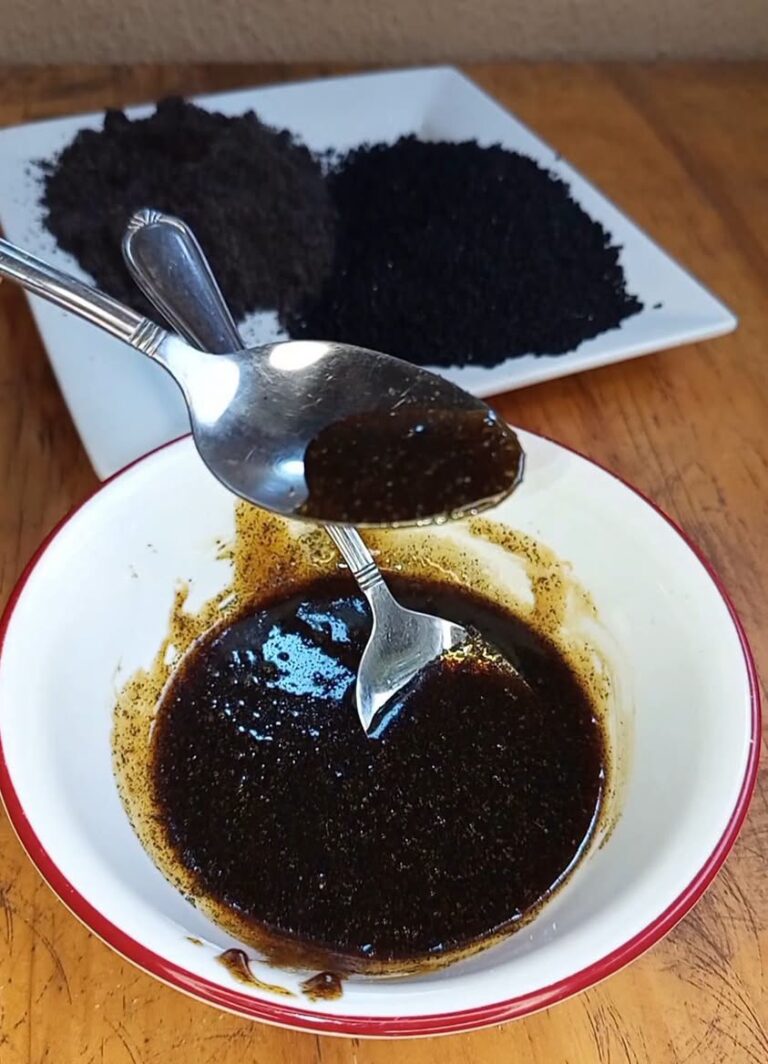
Preparing the tea is simple. People commonly steep one teaspoon of chopped leaves, flowers, and stems in hot water for several minutes before straining and drinking the infusion warm. However, despite its popularity in folk medicine, herbal remedies should always be approached carefully. Pregnant or breastfeeding individuals, young children, and people with chronic illnesses are generally advised to consult a healthcare professional before consuming it regularly.
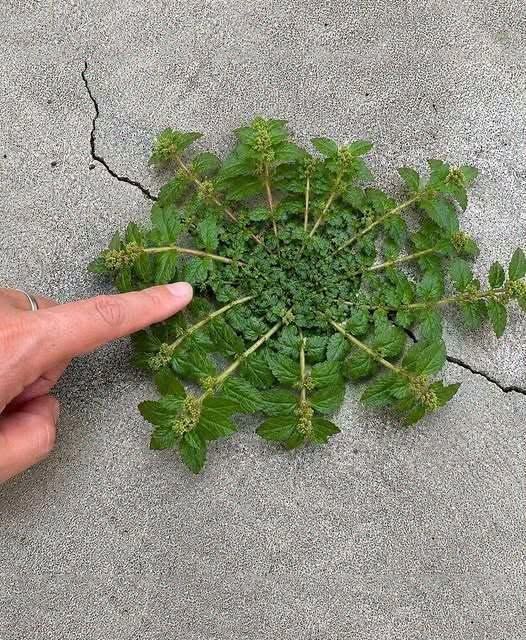
Although many natural traditions praise Santa Lucía herb for its potential benefits, proper identification is essential because wild plants can easily be confused with harmful species. Experts also recommend avoiding plants collected from polluted areas, roadsides, or contaminated soil.
For many families, Santa Lucía herb remains part of a long tradition of natural wellness passed from generation to generation. Whether used as a comforting tea or simply appreciated as a reminder of traditional herbal knowledge, the plant continues to attract attention from people interested in natural approaches to everyday well-being.