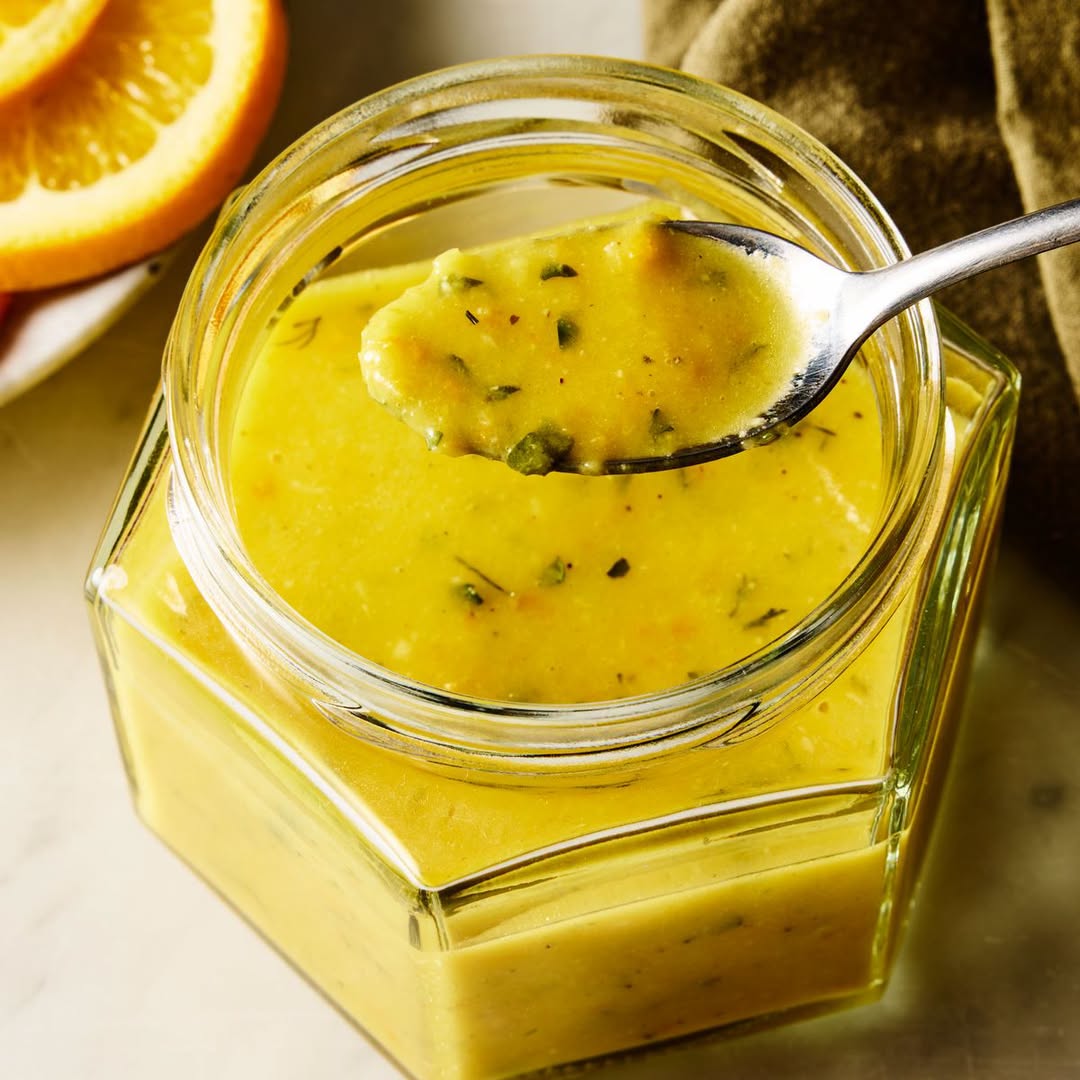
- The whole orange delivers sweetness, acidity, and gentle bitterness that stay balanced once emulsified with oil.
- White miso adds savoriness that softens citrus bitterness and deepens overall flavor.
- The dressing emulsifies quickly and consistently in either a blender or food processor.
Using whole citrus in a vinaigrette can sound risky, but this recipe proves how effective the approach can be when the right orange is involved. a brand name for the shiranui mandarin, is exceptionally sweet, low in acidity, and nearly seedless, with a thick rind that blends smoothly when fully processed. Instead of juicing and discarding the peel, you get to chop and blend entire fruit, capturing aromatic oils from the zest along with the juice and flesh. The result is a dressing with depth and complexity that tastes far more nuanced than a standard citrus vinaigrette.
What Comes After Sumo Citrus? Experts Name the New Citrus Varieties to Know
White miso plays a quiet but important role here. Its mild salinity and umami round out the orange’s sweetness and balance the subtle bitterness from the peel. Dijon mustard supports the emulsion, while garlic and fresh ginger add sharpness and aroma without overpowering the citrus. A mix of soft herbs, such as parsley, dill, and chives, keeps the flavor profile fresh and flexible enough to pair with everything from bitter greens to roasted vegetables and grain salads.
Because the vinaigrette comes together entirely in a blender or food processor, it takes just minutes to make and yields a generous batch. The texture is creamy and spoonable, thanks to a slow stream of olive oil added while blending. Whether you use a food processor for a slightly chunkier, more orange-hued dressing or a blender for a smoother, paler one, you’ll end up with a stable, well-balanced vinaigrette that holds up beautifully in the refrigerator.
How to Pick the Juiciest Orange at the Supermarket, According to a Citrus Farmer
Why are Sumo oranges special?
Sumo Citrus is a large mandarin variety prized for its exceptional sweetness, low acidity, and thick, bump, easy-to-peel rind with a signature topknot at the stem. It’s typically available at well-stocked grocery stores and specialty markets from January through April. If you can’t find Sumo Citrus, substitute two large, sweet mandarins such as Halo oranges or a combination of one navel orange and one mandarin for similar flavor and balance.
How do you use the Whole Orange Vinaigrette?
This vinaigrette is extremely versatile: Toss it with sturdy greens like kale or radicchio; spoon it over roasted carrots, sweet potatoes, or cauliflower; or use it to dress farro or quinoa salads. It also works beautifully as a sauce for roasted salmon or grilled chicken.
Notes from the Food & Wine Test Kitchen
- A blender produces a smoother, slightly greener dressing; a food processor yields a more orange-colored result.
- The vinaigrette is balanced enough to use as both a salad dressing and a sauce for vegetables or grains.
- Season lightly at first and adjust after blending, as miso brands vary in saltiness.
This recipe was developed by Liz Mervosh; the text was written by Breana Killeen.
Keep Screen Awake
Ingredients
1/2x1x2x
- 1 large (13-ounce) Sumo orange, scrubbed
- 1/2 cup loosely packed mixed fresh herbs (such as parsley, dill, and chives)
- 4 1/2 tablespoons rice vinegar
- 1 tablespoon white miso
- 2 teaspoons Dijon mustard
- 1 garlic clove, smashed and peeled
- 2 teaspoons chopped fresh ginger
- 1 teaspoon kosher salt, plus more to taste
- 1/2 teaspoon black pepper
- 1 cup olive oil
Directions
- Cut off and discard ends of orange. Coarsely chop orange, discarding any seeds if necessary. Transfer orange, herbs, vinegar, miso, mustard, garlic, ginger, salt, and pepper to a food processor or blender, and process until very finely chopped, about 1 minute, stopping to scrape down sides of bowl halfway through. With processor or blender running, gradually pour oil through food chute until smooth and creamy, about 30 seconds. Season with additional salt to taste.