Sharing a living space with uninvited critters—whether ants marching across the kitchen counter, mice nesting in the attic, or mosquitoes ruining an outdoor gathering—can be deeply frustrating. However, resorting to lethal traps or toxic chemical pesticides often carries unwanted side effects, including hazards to children, domestic pets, and local ecosystems.
Fortunately, humane pest control focuses on deterrence, physical exclusion, and scent manipulation. By understanding pest behavior, you can make your home inhospitable to unwanted visitors without causing them harm.
The Three Pillars of Non-Lethal Pest Management
Humane deterrence works best when you combine sensory disruption with physical defenses.
1. Olfactory Disruption (Scent Barriers)
Most small creatures rely heavily on their sense of smell to navigate, find food, and detect danger. Potent natural essential oils and organic compounds overstimulate their olfactory receptors, causing them to voluntarily seek shelter elsewhere.
- Peppermint & Eucalyptus: Highly effective against mice, rats, spiders, and ants.
- Citronella, Lemongrass & Cedarwood: Excellent deterrents for flying insects, moths, and fleas.
- White Vinegar & Cinnamon: Erases the chemical “trail scents” left behind by scout ants.
2. Physical Exclusion (Sealing the Entryways)
The most permanent non-lethal solution is simply removing access. If pests cannot enter, they won’t settle in.
- Seal Cracks: Use copper mesh or steel wool combined with silicone caulk around piping, crawl spaces, and baseboards (rodents cannot chew through copper mesh).
- Install Door Sweeps: A gap as small as 1/4 inch (6 mm) is enough for a mouse to slip under.
- Mesh Vent Covers: Install fine wire mesh over chimney caps, soffit vents, and outdoor drainage pipes.
3. Habitat & Food Source Management
Pests only take up residence where food, water, and shelter are readily available.
- Store dry food, pet feed, and birdseed in airtight glass or thick plastic containers.
- Fix leaking faucets and eliminate standing water in saucers or gutters.
- Keep firewood stacks at least 20 feet away from the exterior house walls.
Tailored Humane Solutions by Pest Type
Tailored Humane Solutions by Pest Type
| Pest Type | Primary Non-Lethal Method | Key DIY Repellent / Action |
|---|---|---|
| Mice & Rodents | Scent deterrence & sealing openings | Cotton balls soaked in pure peppermint oil placed near entry points; copper mesh in gaps. |
| Ants | Scent trail disruption | Spraying equal parts water and white vinegar with a few drops of tea tree oil along trails. |
| Spiders | Sensory repulsion & light adjustments | Citrus oil sprays on window sills; switching outdoor bulbs to warm yellow LEDs (attracts fewer bugs). |
| Mosquitoes | Environmental management | Planting lavender, marigolds, and rosemary near seating areas; running outdoor box fans (wind disrupts flight). |
| Raccoons & Squirrels | Sound & motion deterrence | Motion-activated sprinklers or ultrasonic strobe lights near trash cans and attics. |
Simple DIY Humane Repellent Spray
You can create an all-purpose indoor/outdoor pest deterrent spray in under five minutes:
Ingredients:
- 2 cups Distilled Water
- 1 tbsp Liquid Castile Soap (acts as an emulsifier)
- 15–20 drops Peppermint Essential Oil
- 10 drops Tea Tree or Lavender Essential Oil
Directions: Mix ingredients in a clean spray bottle. Shake gently before spraying along doors, window sills, baseboards, and patio perimeters once every 1–2 weeks.
Relocating Trapped Visitors
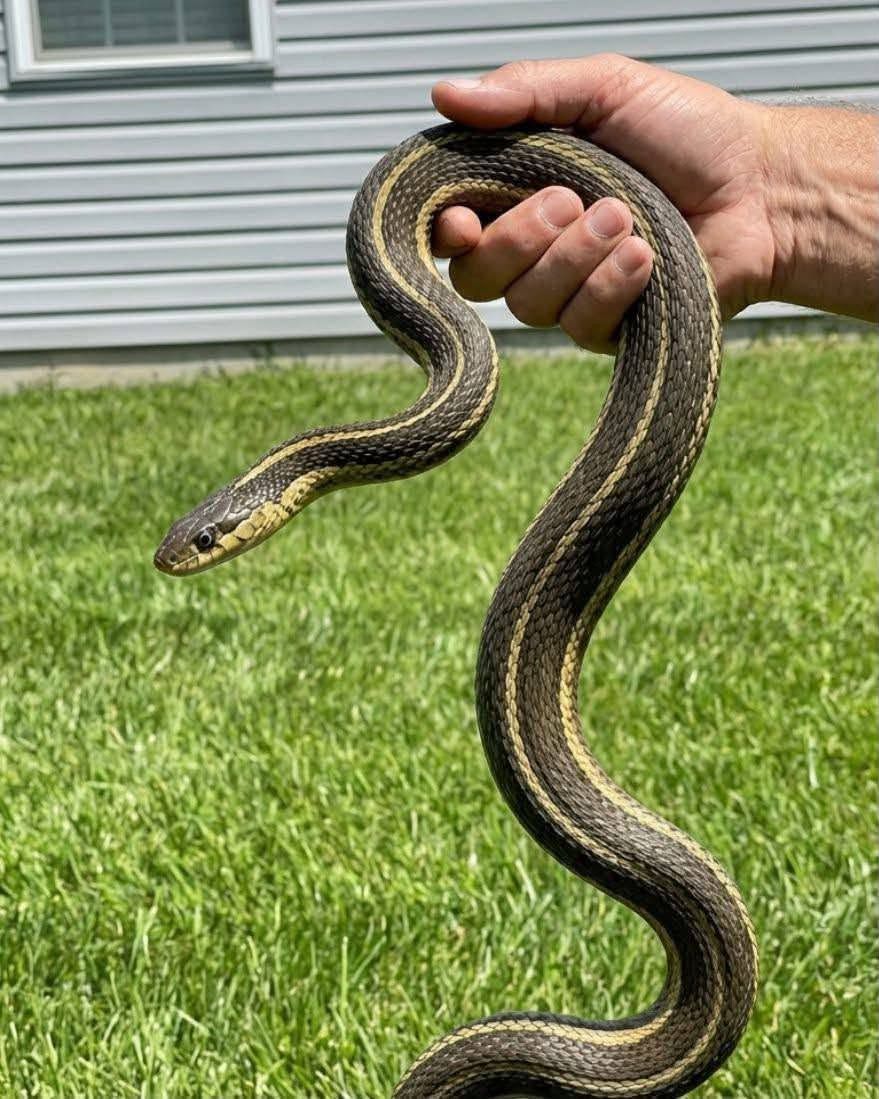
If a small mammal or reptile finds its way inside despite your best efforts, use catch-and-release box traps rather than glue boards or snap traps.
Check live-catch traps twice daily so animals do not suffer from dehydration or stress. Release them near heavy cover at least 2 miles away from your home (or within local wildlife relocation guidelines) to prevent an immediate return trip.