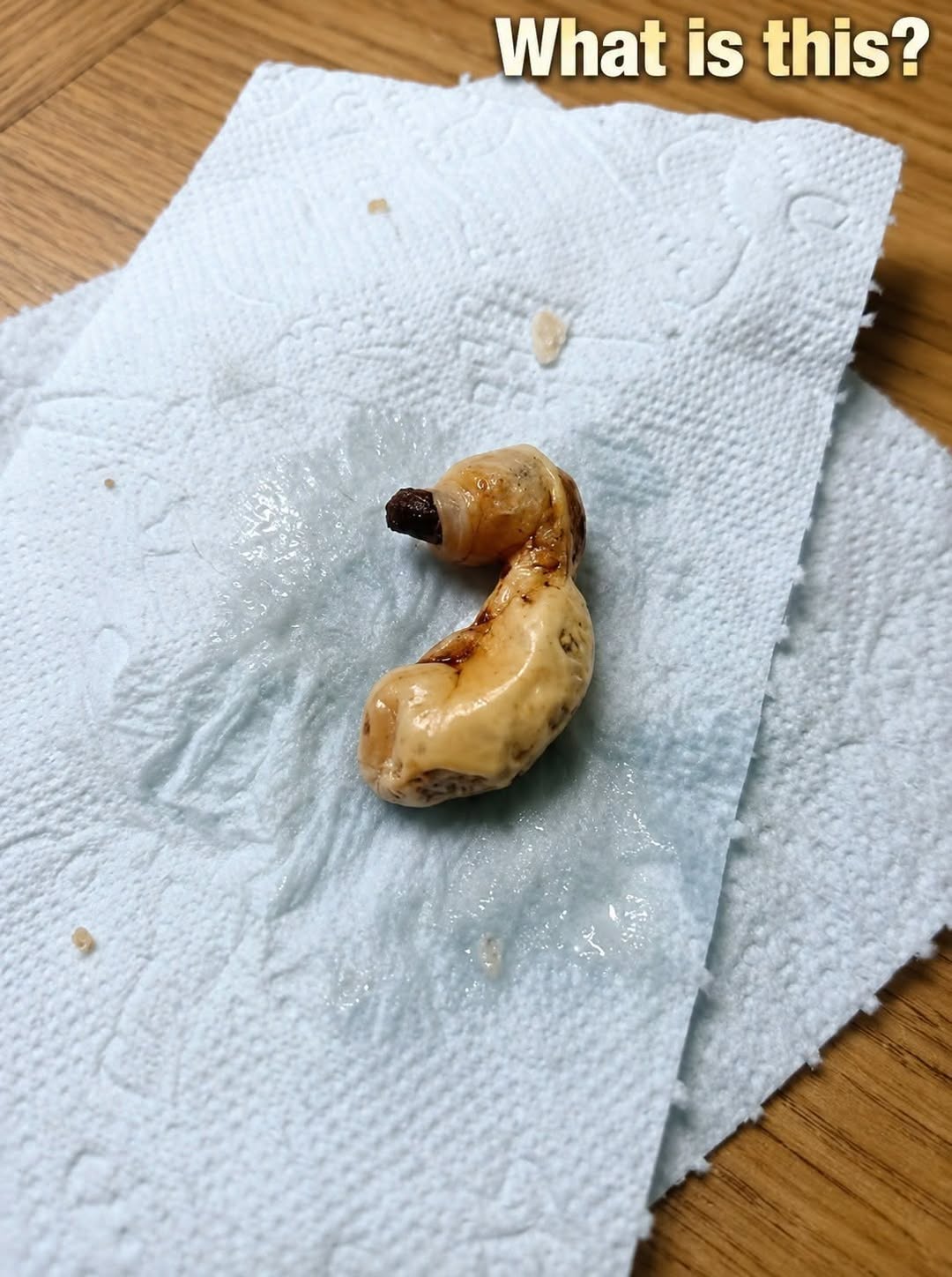
I was in my late twenties the first time I truly understood how the human brain manufactures terror out of absolutely nothing. One evening, in the dim glow beside my bed, I reached down to retrieve a dropped hairpin. My fingertips brushed against something hard, dusty, and oddly shaped lurking in the shadows. My heart lurched. In the span of a single heartbeat, my imagination populated that dark space beneath the mattress with every creeping, skittering horror I could conjure. I held my breath, fumbled for the lamp switch, and flooded the corner with light. There, sitting innocently on the carpet, was a single forgotten pistachio shell, probably rolled under the bed weeks earlier during a late night snack. No monster. No threat. Just a tiny piece of nut casing and a whole lot of adrenaline.
What struck me in the seconds that followed was not the absurdity of the object itself but the sheer speed and conviction with which my brain had constructed a threat. The explanation lies in a survival mechanism as old as our species. When we encounter something unexpected, especially in low visibility, the brain triggers a fight or flight response before conscious thought can intervene. Hormones flood the system, the heart accelerates, and a wave of panic rises, all designed to prepare us for genuine danger. The problem, or perhaps the design flaw, is that this ancient wiring does not distinguish between a predator in the grass and a pistachio shell in the bedroom. It reacts first and asks questions later.
Compounding this instinct is the brain’s relentless drive toward pattern recognition. Faced with incomplete sensory information, the mind reaches for familiar shapes and narratives to fill the gaps. In the dark, a small hard object becomes a beetle, a spider, something with legs and intent. The imagination, unshackled from visual evidence, runs freely toward the worst case scenario. We fear what we cannot identify, what we cannot categorize, what remains stubbornly unknown. The solution, as my pistachio shell taught me, is almost embarrassingly simple. You turn on the light. You look directly at the thing that frightens you. The unknown becomes the known, and the terror collapses into something mundane, often something laughable.
And I did laugh. Standing there in my pajamas, holding a dusty shell between two fingers, I laughed until my eyes watered. That laughter was not just a nervous reflex. It was my body actively dismantling the stress response that had been building only moments before. When we laugh, the brain releases a cascade of endorphins, the body’s natural feel good chemicals, while simultaneously dialing down the production of stress hormones like cortisol. The tension drains from the shoulders, the jaw unclenches, and the cardiovascular system relaxes as blood flow improves. Some research even suggests that regular laughter supports immune function by increasing the activity of protective cells. In that small bedroom moment, laughter was doing exactly what it was designed to do. It was healing the spike of fear and restoring equilibrium.
Over the years, I have turned that pistachio shell moment into a kind of personal protocol for dealing with fear, whether it lives under a bed or elsewhere in life. The first step is always to breathe deeply, allowing the nervous system to settle before making any decisions. The second is to look closer, to examine the source of the dread rather than retreating from it. The third is to shed light on the situation, literally or figuratively, because illumination is the enemy of imagined threats. If the fear feels too large to face alone, there is no shame in asking a trusted friend or family member to look alongside you. And finally, once the truth is revealed, give yourself permission to laugh at the absurdity of your own panic. That laughter is not weakness. It is the sound of fear losing its grip.
The broader lesson I carry from that evening is that fear, while real in the body, is not always real in its cause. Most of the monsters we dread turn out to be pistachio shells, small, harmless, and slightly embarrassing once the light is on. And laughter, that involuntary, full bodied release, remains one of the most accessible tools we have for dissolving anxiety, lifting mood, easing pain, and reminding ourselves that we are going to be fine. It costs nothing, requires no prescription, and works almost instantly.
So the next time your hand brushes something mysterious in the dark, or your mind begins spinning a nightmare out of a shadow, remember the pistachio shell. Take a breath. Reach for the lamp. Look at the thing squarely. And when it turns out to be nothing more than a forgotten snack remnant, let yourself laugh long and hard. Your brain, your heart, and your immune system will all thank you for it.