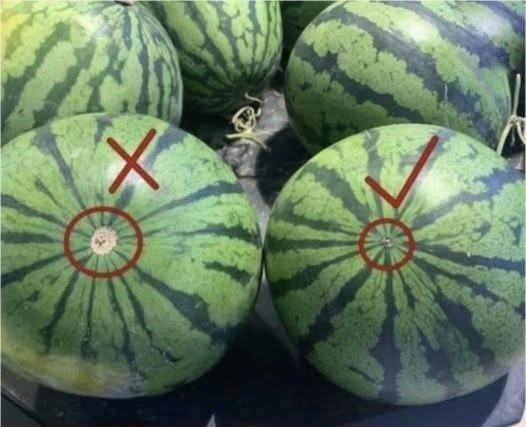
Watermelon is the ultimate summer fruit—refreshing, hydrating, and great for slicing on a hot day. But finding a juicy, sweet watermelon can be tricky. Some are unripe, mushy, or mushy inside. Luckily, there are a few simple signs that can help you pick the best watermelon every time—no cutting required.
1. Field Spot: Your Best Visual Clue
Check the underside of the watermelon for a pale spot – this is a field spot where it lay on the ground while ripening.
Creamy yellow or orange yellow = good ripeness and sweetness.
Pale white or green = probably picked too early and may lack flavor.
2. Dark, flaky skin indicates ripeness.
A ripe watermelon has:
Matte and slightly rough surface
Uniform color without a glossy sheen.
Avoid watermelons that are too smooth or shiny – they are probably underripe.
3. The Tapping Test WorksNo Bake Dessert RecipesEasy Baking Recipes
3. The tapping test works
Gently tap the watermelon with your fingers or palm.
Deep, hollow sound = juicy and ripe
Muffled or muffled sound = overripe or mushy
4. Brown veins are a good sign
If you notice thin brown lines or cracks on the surface (often called sugar scars), don’t worry.
This usually indicates:
High sugar content
Good pollination
, which means sweeter and tastier fruit.
5. Check the stalk.
Look for a small stalk or stalk that is still attached to the fruit.
Dry, brown and curled = naturally ripe
Green or looking fresh = probably picked too early
6. Choose the heaviest watermelon.
Take several watermelons of the same size and choose the heaviest.
A heavier weight means:
More water
More juiciness
A heavier watermelon is almost always a better choice.
Summary:
To choose the perfect watermelon, look for creamy flesh, dark, matte skin, a hollow sound, sugar veins, a dry stem, and a firm weight. With these tips, you’ll bring home sweet, juicy fruit every time—ready to slice, dice, or blend into smoothies. Creamy Treats No-Bake Dessert Recipes