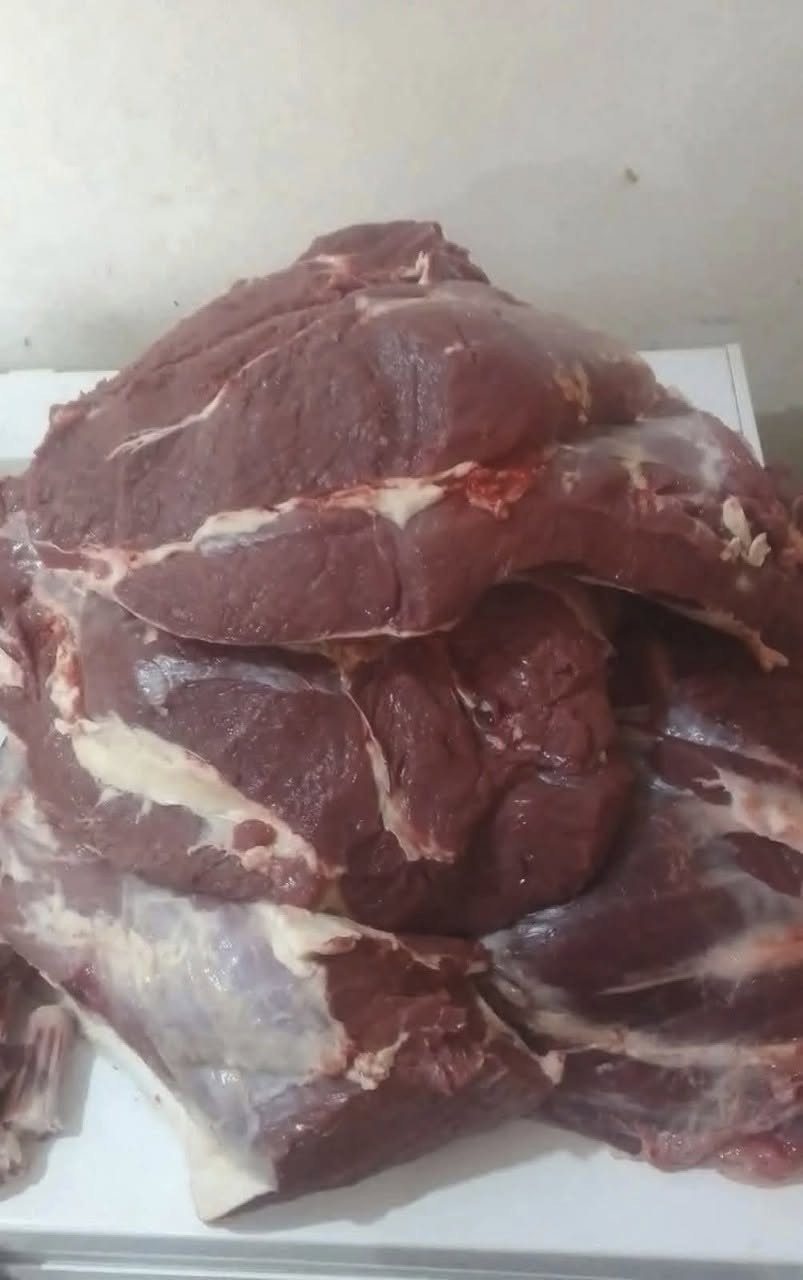
Every day, millions of people buy meat believing they are bringing home a fresh, healthy, and high-quality product. However, what many don’t know is that supermarkets, butcher shops, and even restaurants engage in deceptions that can put your health and your wallet at risk.
The most alarming thing is that these tricks go unnoticed by most consumers.
The Big Deception: Meat That Is NOT What It Seems
One of the most common frauds is selling:
Old meat as if it were fresh
Thawed meat sold as “freshly cut”
Low-quality meat disguised as premium
Meat treated with chemicals to improve its color and smell
Even, in some extreme cases, meat blends that don’t match what the label says
Often, the meat you buy has been stored for days or weeks, but it is “revived” to appear freshly arrived.
How is meat disguised?
To deceive consumers, very common practices are used:
Dyes and gases to make the meat look red and shiny
Injection of water and salts to increase weight
Freezing and refreezing, which deteriorates the quality
Washing with substances that temporarily eliminate bad odors
The problem is that appearance is deceiving, but the meat has already lost nutrients and can develop dangerous bacteria.
Real Risks to Your Health
Consuming spoiled or improperly handled meat can cause:
Food poisoning
Bacterial infections (Salmonella, E. coli, Listeria)
Stomach pain, diarrhea, and vomiting
In the long term, digestive and inflammatory problems
The worst part is that many people don’t associate their symptoms with the meat they consumed days earlier.
Clear Signs That Meat Is NOT Fresh
Before buying or cooking, look carefully:
Gray, brown, or dull color
Strong or slightly acidic smell
Slimy or sticky texture
Excess liquid in the packaging
ice crystals (sign of previous freezing)
If you notice even one of these signs, don’t buy or eat it.
For more information, continue to the next page.
How to Protect Yourself from Deception
Buy from trusted vendors
Ask if the meat is fresh or thawed
Check the packaging date
Be wary of prices that seem too good to be true
Always check the color, smell, and texture
At home, store it properly and don’t refreeze it.
An informed consumer is harder to deceive.
The truth that few talk about
The problem isn’t just the meat itself, but the lack of information. Many businesses take advantage of the fact that most people don’t know how to identify spoiled meat.
It’s not paranoia.
It’s not an exaggeration.
It’s a silent reality that happens every day.
Conclusion
The next time you buy meat, remember this:
not everything that looks red and “fresh” is.
Your health and your family’s health are worth more than an attractive offer.
Don’t be fooled… because many times they’re selling you meat you would never buy if you knew the truth.