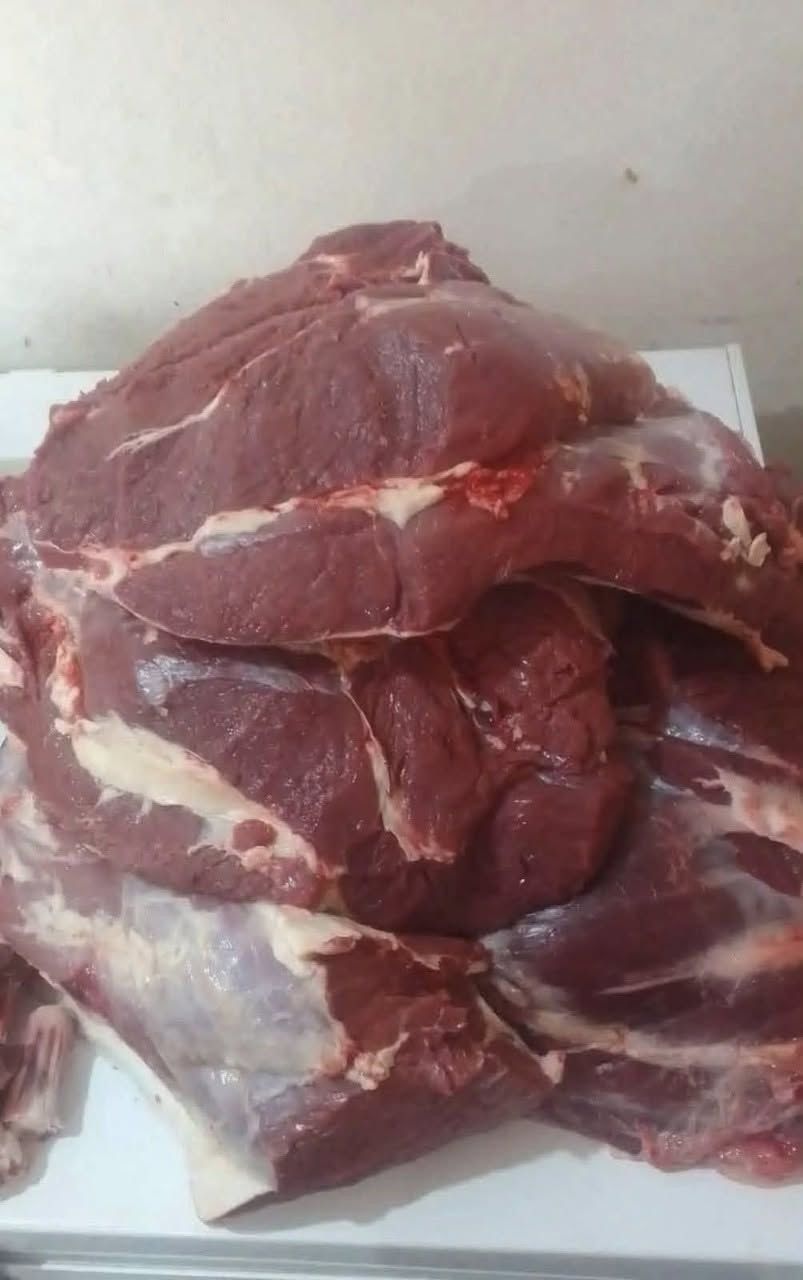
Oh, my dear friend, I see headlines exactly like this circulating all the time: “Don’t get fooled by the supermarkets. They’re selling you meat from…” I know they can make you look at your grocery cart with a sudden sense of dread. “Mystery meat?” “Old meat?” It is so easy to let sensationalism make us feel like we are being tricked at every turn.
At 73, living alone in my cozy farmhouse, I have made it my personal mission to be a calm, informed advocate for my own health. Between keeping a watchful eye on my circulation, monitoring those sudden, unexplained purple blotches on my arms, and doing everything I can to stay proactive about preventing serious conditions, I know one thing for certain: panic and fear-mongering are the absolute last things our blood vessels need. Stress spikes cortisol, and we want to keep our bodies in a state of gentle, restorative balance.
So, I put the kettle on, brewed a soothing cup of my favorite ginger tea, and looked into the actual “supermarket science” behind these alarming claims. What I found was deeply reassuring. Supermarkets are highly regulated, and with a few simple, mindful tricks, you can confidently select the safest, most nutritious meat for your table. Let’s walk through the aisles together, shall we?
The “Ingredients” of a Smart Meat Purchase
Just like a good recipe relies on quality components, a successful meat shopping trip relies on knowing exactly what to look for. Think of these as your essential ingredients for peace of mind:
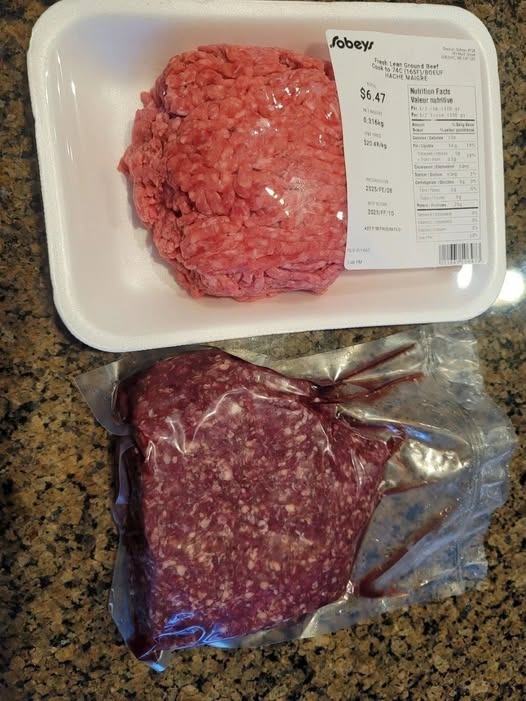
1 part Vibrant Color: Fresh beef should be a bright, cherry red. Pork should be a pale, rosy pink, and poultry should be light pink to yellowish-white. Substitute: If you buy vacuum-sealed meat, it might look slightly darker or purplish. This is completely normal! It’s just lacking oxygen. Once you open the package and let it “bloom” for 15 minutes, it will turn that familiar bright red.
1 part Firm Texture: The meat should look moist but not wet. Substitute: If the meat looks slimy, sticky, or is sitting in a large pool of cloudy liquid, gently place it back. That’s your cue to choose a different package.
A pinch of “Date” Savvy: Understand the labels. “Sell-By” is a guide for the store, not you. “Use-By” or “Best-By” is the manufacturer’s estimate of peak quality. You can safely cook and eat meat 1 to 2 days after the sell-by date if it has been stored properly.
1 dash of Butcher Rapport: The people behind the meat counter are your greatest allies. Don’t be shy about asking, “When did this shipment arrive?” They will always point you to the freshest cut in the back.
Step-by-Step: Your Calm, Confident Shopping Routine
Taking a deep breath and having a plan is the best way to navigate the grocery store without anxiety. Here is your simple, step-by-step routine for selecting the best meat.
Step 1: The Visual Sweep
Pick up the package and give it a gentle tilt. You want to see a little bit of natural moisture, but avoid packages where the meat is swimming in dark, cloudy juices. Clear or slightly pink liquid is normal; anything murky is a sign to walk away.
Step 2: The Sniff Test (If Needed)
Most meat is tightly sealed, but if a package feels bloated or compromised, trust your nose. Fresh meat has a very mild, neutral, or slightly metallic scent. If it smells sour, ammonia-like, or just “off,” do not buy it. Your senses are incredibly powerful tools.
Step 3: The “Last-In” Cart Strategy
To keep your meat at a safe temperature, make it the very last item you put in your cart. Grab your produce, pantry staples, and household goods first. This minimizes the time the meat spends warming up in your cart before you reach the checkout.
Step 4: The Quick Chill
Once you get home, your goal is to get that meat into the refrigerator or freezer within two hours (or just one hour if it’s a hot summer day and your car is warm). I like to keep an insulated cooler bag in my car specifically for perishables.
Pro Tips, Variations, and Serving Ideas
Being a smart shopper doesn’t mean you have to sacrifice flavor or convenience. Here are a few of my favorite ways to handle supermarket meat once it’s in my kitchen.
The Freezer Friend Variation: Don’t be afraid of the frozen meat aisle! Meat that is “flash-frozen” at the processing plant is often fresher and retains more nutrients than “fresh” meat that has spent days on a transport truck. Just check the ingredient list to ensure there are no added sodium solutions.
Portion and Conquer: If you find a great deal on a large family pack of chicken breasts or ground turkey, divide it immediately when you get home. Portion it into meal-sized amounts, wrap it tightly in freezer paper or vacuum-seal it, and label it with the date. This prevents waste and makes weeknight cooking a breeze.
A Comforting Serving Idea: When I want to be especially gentle on my digestion and make the most of a tougher, budget-friendly cut of beef, I turn to my trusty slow cooker. A low-and-slow beef stew with root vegetables and a splash of bone broth breaks down the proteins beautifully, making it incredibly tender, nutritious, and soothing for the body.
Frequently Asked Questions (FAQs)
Is it true that supermarkets inject meat with water or chemicals?
Some cheaper processed meats (like certain deli hams or injected chicken breasts) may contain saline solutions to keep them moist. This is always clearly listed on the ingredient label. The simple fix? Read the label. If you want pure meat, look for packages where the only ingredient is “beef,” “pork,” or “chicken.”
Can I freeze meat on the exact day I buy it?
Absolutely! In fact, it’s one of the smartest things you can do. Freezing meat at 0°F (-18°C) pauses bacterial growth entirely. It will remain safe to eat indefinitely, though for the best taste and texture, I recommend using frozen beef within 6 to 12 months, and poultry within 9 months.
What do those unexplained purple blotches on my arms have to do with meat?
Directly? Nothing at all! Those are often just a natural part of aging skin and delicate capillaries. However, maintaining a low-inflammatory diet rich in high-quality, lean proteins and omega-3s (like salmon) supports overall vascular health and circulation, which is always a proactive win for our bodies.