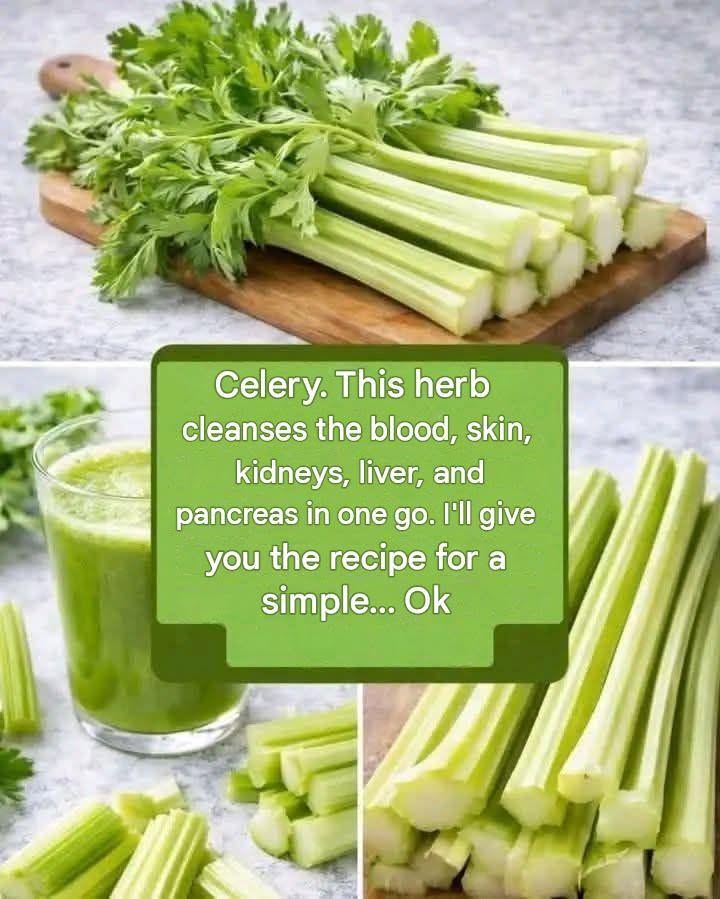
Celery and Liver Health: What This Everyday Vegetable Can Really Do
Your liver is one of the hardest-working organs in your body. It helps process nutrients, produces bile for digestion, metabolizes medications and other substances, and plays an important role in maintaining the body’s internal balance. Because of these essential functions, supporting liver health through everyday lifestyle choices is important.
Celery is often promoted online as a powerful “detox” food or a natural liver cleanser. While celery can certainly be part of a healthy diet, some of the claims surrounding celery drinks and liver cleansing go far beyond what scientific evidence supports. The good news is that you don’t need a miracle remedy to support your liver. Simple, consistent habits—including eating more vegetables such as celery—can contribute to an overall healthy lifestyle.
Why Is Liver Health So Important?
The liver performs hundreds of essential functions every day. Rather than thinking of it as a simple “filter,” it is more accurate to view the liver as a sophisticated metabolic organ that processes nutrients and many substances that enter the body.
1. Supporting the Body’s Natural Detoxification Processes
Your liver helps chemically transform many substances so they can be processed and eliminated from the body. This includes alcohol, medications, and naturally occurring waste products.
This is why the idea of a special drink “flushing toxins” from the liver can be misleading. Your body already has highly developed systems for handling these substances.
2. Producing Bile
The liver produces bile, a digestive fluid that helps the body digest and absorb dietary fats. Bile also provides a route for certain waste products to leave the body.
Keeping your overall diet balanced can therefore support the normal digestive processes in which the liver participates.
3. Processing Nutrients
After you eat, nutrients are absorbed from the digestive tract and transported to the liver. The liver helps process carbohydrates, fats, and proteins and stores certain nutrients for later use.
4. Supporting Normal Metabolism
The liver is involved in blood glucose regulation, cholesterol metabolism, protein production, and the processing of numerous compounds circulating through the bloodstream.
That makes long-term habits such as maintaining a healthy weight, eating a balanced diet, staying physically active, and limiting excessive alcohol consumption particularly important for liver health.
What Does Celery Have to Do With Liver Health?
Celery is a low-calorie vegetable containing water, fiber, vitamin K, folate, potassium, and various plant compounds.
It also contains antioxidants and other phytochemicals that researchers have investigated for their potential biological effects. However, eating celery does not mean that the liver is being “flushed” or cleansed of toxins.
Instead, celery can contribute to a healthy eating pattern because it is nutrient-rich, hydrating, and relatively low in calories.
Celery Contains Beneficial Plant Compounds
Celery contains naturally occurring compounds such as apigenin and other polyphenols. Laboratory and animal research has investigated some of these compounds for antioxidant and anti-inflammatory properties.
However, results from laboratory or animal studies should not automatically be interpreted as proof that eating celery prevents or treats liver disease in humans.
That distinction is important when evaluating claims about “miracle” vegetables or detox drinks.
Can Celery Juice Cleanse Your Liver?
Celery juice has become popular because of claims that drinking it regularly can remove toxins, repair the liver, or dramatically improve health.
There is currently no strong evidence that celery juice can “detox” the liver in the way these claims suggest.
The liver already carries out its normal metabolic and detoxification functions. Drinking celery juice does not replace those processes.
That doesn’t mean celery juice is necessarily a bad choice. It can be one way to consume vegetables and fluids, but whole celery has an advantage because it retains more of its natural fiber.
Whole Celery vs. Celery Juice
If you’re choosing between eating celery and drinking celery juice, consider what happens during preparation.
Whole celery provides:
- Dietary fiber
- Water
- Vitamin K
- Potassium
- Folate
- Plant compounds
- A low-calorie addition to meals and snacks
Juicing removes much of the fiber while concentrating the liquid portion of the vegetable.
For everyday nutrition, adding whole celery to salads, soups, stir-fries, sandwiches, or snacks can be a simple way to increase vegetable intake.
A Simple Way to Add More Celery to Your Diet
You don’t need an elaborate detox recipe to enjoy celery.
Try adding chopped celery to:
- Fresh salads
- Vegetable soups
- Chicken or tuna salad
- Homemade sandwiches
- Stir-fries
- Bean and lentil dishes
- Smoothies
- Hummus or yogurt-based dips
Celery can also be paired with other vegetables, fruits, herbs, and protein-rich foods to create balanced meals.
What Actually Supports Liver Health?
Rather than relying on a single food or drink, focus on habits that support overall health.
Eat a Balanced Diet
A diet rich in vegetables, fruits, whole grains, legumes, nuts, seeds, and appropriate sources of protein can provide a wide range of nutrients and beneficial plant compounds.
Celery can be part of this pattern, but it doesn’t need to be the centerpiece.
Maintain a Healthy Weight
Excess body weight, particularly around the abdomen, is associated with an increased risk of metabolic dysfunction and fatty liver disease. Gradual, sustainable lifestyle changes can be more meaningful than short-term detox programs.
Be Careful With Alcohol
Excessive alcohol consumption can damage the liver over time. Reducing alcohol intake—or avoiding it altogether—is much more meaningful for liver health than relying on a detox drink.
Stay Physically Active
Regular physical activity supports metabolic health and can be beneficial for maintaining a healthy body weight and reducing risk factors associated with liver disease.
Be Careful With Supplements and Medications
“Natural” does not automatically mean safe. Some supplements can affect the liver, particularly when taken in high doses or combined with medications.
If you have liver disease or regularly take medication, discuss supplements and concentrated herbal products with a healthcare professional.
The Bottom Line
Celery is a nutritious, low-calorie vegetable that can easily fit into a healthy diet. Its water content, fiber, vitamins, minerals, and plant compounds make it a useful addition to everyday meals.
But celery should not be presented as a miracle liver cleanser. There is no strong evidence that celery juice or a homemade celery remedy can dramatically “flush toxins” from the liver.
Your liver already has sophisticated systems for processing substances in the body. The most effective way to support those natural functions is through balanced nutrition, regular physical activity, maintaining a healthy weight, limiting excessive alcohol, and avoiding unnecessary or potentially harmful substances.