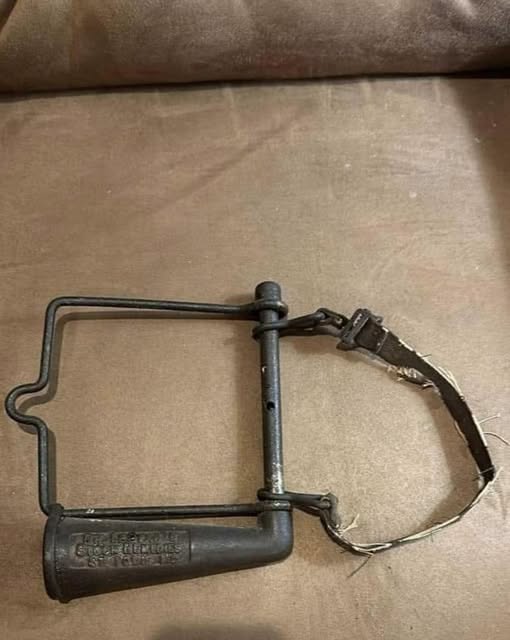
At first glance, an old brass instrument with a long, unusual shape might look like a decorative antique.
But some objects were never created simply to sit on a shelf.
One fascinating example is the antique horse drencher—a piece of equipment associated with an era when treating and caring for working horses required practical tools that may seem unusual to us today.
So what exactly was this mysterious brass device used for?
What Is a Horse Drencher?
A horse drencher was a tool used to administer liquid medicines or other treatments to horses.
Before modern veterinary equipment became widely available, owners and animal caretakers needed practical ways to give a horse medicine by mouth.
A drencher was designed to help deliver a measured amount of liquid into the animal’s mouth.
Its unusual shape was functional rather than decorative.
Why Were They Often Made From Brass?
Brass was widely used for many older tools and pieces of equipment because it was durable, workable, and resistant to corrosion.
For an object that might come into contact with liquids and require repeated cleaning, a sturdy metal construction made practical sense.Over time, brass also develops a distinctive patina.
That aged appearance is one reason antique brass veterinary equipment can be particularly attractive to collectors today.
How Was It Used?
The general principle was straightforward.
A liquid treatment was placed into the device, which could then be used to administer the liquid orally to a horse.
However, giving medicine to a large animal was never as simple as handing someone a glass of water.
Horses are strong animals, and improper administration could cause injury or result in liquid entering the airway.
For that reason, these tools were intended to be used by people who understood how to handle and treat horses safely.
Why Did Horses Need Drenching?
Working horses were once essential to farms, transportation, construction, and countless other activities.
Their health directly affected the ability of people to work and travel.
Horses could suffer from digestive problems, parasites, dehydration, and other illnesses requiring treatment.
Veterinary care was very different from what we are accustomed to today, and specialized tools were developed to help owners and veterinarians administer treatments.
The horse drencher was one example of this practical equipment.Modern medicine often makes us forget how much skill and ingenuity were required to care for animals before today’s technology existed.
A simple metal instrument could represent an entire system of animal husbandry—farmers, stable workers, veterinarians, and horse owners working with the tools available to them.
The drencher wasn’t glamorous.
It was useful.
And that’s precisely what makes it historically interesting.
Why Are Antique Drenchers Collectible?
Today, old veterinary instruments attract collectors interested in agricultural history, horse culture, and traditional medical equipment.
Collectors may examine:
- The maker’s mark
- The construction and materials
- The condition of the metal
- The age and style
- Original fittings or accessories
- Evidence of previous repairs
Patina and signs of age can add character, although condition and authenticity are important when determining an item’s value.
Don’t Confuse Age With Value
An old brass object isn’t automatically rare or valuable.
Similar-looking instruments can have very different histories, and reproductions or later versions may exist.
If you discover one in an attic, barn, estate collection, or antique shop, avoid cleaning it aggressively before researching it.
Removing the natural patina or surface details could reduce its historical character and potentially remove clues that help identify the object.
The Story Behind the Object
Perhaps the most fascinating thing about an antique horse drencher is that it represents a world in which horses were central to everyday life.