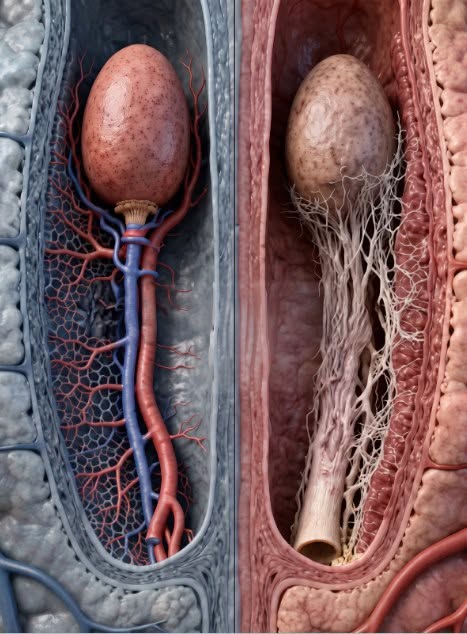
Aging brings changes to nearly every part of the body, but some of the changes affecting men’s sexual and reproductive health are not always discussed openly. From differences in erectile firmness to shifts in hormone levels and prostate health, the male reproductive system can change in several ways over time.
Why circulation matters
Healthy circulation supports more than sexual function. It is also important for the heart, brain, muscles, and other organs.
When erectile difficulties develop or become more frequent, a healthcare professional may assess cardiovascular health, blood pressure, blood sugar, medication use, and other possible causes.
Rather than assuming the problem is simply age-related, it is worth considering the bigger picture.
3. The Tissue Inside the Penis Can Change
The penis contains specialized erectile structures surrounded by connective tissue. These tissues work together to help the penis become firm during an erection.
Like other tissues in the body, they can undergo changes over time. The balance between smooth muscle and collagen may shift, and tissue elasticity may change.
For some men, these changes may contribute to differences in erectile firmness or the ability to maintain an erection. However, the extent of any changes varies, and age alone does not determine an individual’s sexual function.
Overall health plays an important role. Diabetes, vascular disease, smoking, and other medical factors may also affect the tissues and processes involved in erections.
It is also important to remember that erectile difficulties can have several overlapping causes. A change in firmness does not, by itself, reveal whether the underlying issue involves circulation, hormones, nerves, medications, psychological factors, or a combination of these.
If changes persist or interfere with sexual activity, a medical assessment can help clarify what is happening.
4. Can the Penis Actually Become Smaller With Age?
This is one of the questions that causes concern for many men.
Some notice that their penis appears shorter as they get older. However, a change in visible size does not always mean the penis itself has significantly changed.
Several factors may contribute to differences in appearance.
Changes in body weight
Weight gain around the lower abdomen and pubic area can conceal more of the penile shaft. As a result, less of its length may be visible even when the underlying anatomy has not changed substantially.
Differences in erectile firmness
A less firm erection may appear smaller than a fully rigid one. If erectile function changes, a man may notice a difference in appearance without that difference necessarily representing permanent anatomical shortening.
Penile curvature and scar tissue
Peyronie’s disease is a condition in which scar tissue develops inside the penis. It can cause a new curve, pain, or changes in penile length and shape. It is a medical condition, not simply a normal consequence of aging.
Does aging always cause shrinkage?
No. Aging does not mean every man’s penis will inevitably shrink.
Visible changes can have several explanations, and some may be associated with treatable conditions.
A new or worsening curvature, penile pain, or a noticeable change in shape should be evaluated by a healthcare professional. Sudden or substantial changes deserve particular attention.
5. Testosterone Levels May Gradually Decline
Testosterone is an important hormone in male reproductive health. It contributes to sexual desire, sperm production, muscle maintenance, bone health, and other bodily functions.
Testosterone levels often decline gradually with age, but the rate and extent of this change vary considerably. Some men experience few noticeable symptoms, while others develop problems that warrant medical assessment.
Possible symptoms associated with low testosterone include:
Reduced sexual desire
Lower energy levels
Decreased muscle mass
Changes in sexual function
Reduced bone density in some circumstances
These symptoms are not unique to testosterone deficiency. Poor sleep, depression, chronic illness, obesity, and certain medications can cause similar problems.
How is low testosterone diagnosed?
A diagnosis should not be based on age or symptoms alone. A healthcare professional considers the person’s symptoms, medical history, and appropriately timed blood tests.
Testosterone treatment may help some men with confirmed deficiency, but it is not appropriate for everyone. It should not be used simply because a man has reached a particular age. Treatment decisions require a discussion of potential benefits, risks, and individual circumstances.
If you are experiencing persistent fatigue, reduced sexual desire, or other unexplained changes, speaking with a healthcare professional is a sensible starting point.
6. Sexual Sensation and Nerve Function May Change
Sexual sensation depends on a complex network of nerves that carries signals between the reproductive organs, spinal cord, and brain.
Some men notice that stimulation feels different as they age. Others find that reaching an erection or orgasm takes longer than it once did.
These changes can have several explanations.
Diabetes can damage peripheral nerves and affect sensation. Certain medications, neurological conditions, and previous pelvic surgery can also influence sexual response.
Although some changes in responsiveness may accompany aging, significant numbness or a sudden loss of sensation should not automatically be considered normal.
Sexual satisfaction involves more than physical sensation
Physical responsiveness is only one part of a satisfying sexual experience.
Emotional connection, communication, stress levels, relationship dynamics, and overall well-being can all influence intimacy. The National Institute on Aging notes that sexuality and intimacy can remain meaningful throughout later life, even as physical abilities and preferences change.
Open communication with a partner can help couples adapt to changing needs and expectations.
If reduced sensation is persistent, distressing, or accompanied by other symptoms, a medical evaluation may help identify the cause.
7. The Testicles May Change as Well
Although discussions about male reproductive aging often focus on the penis, the testicles are also important.
The testicles produce sperm and testosterone, and their functions are regulated by a complex hormonal system.
As men grow older, reproductive hormone levels and aspects of sperm production may change. Some men may also notice differences in testicular size or firmness.
However, not every physical change is caused by aging.
A new lump, persistent pain, significant swelling, or a sudden change in one testicle should be assessed by a healthcare professional. Such symptoms can have several causes, including infections and other medical conditions that may require treatment.
It is best not to assume that a new testicular change is harmless simply because it occurs later in life.
When should a man seek medical advice?
Arrange a medical assessment if you notice:
A new lump or firm area
Persistent pain or tenderness
Significant swelling
A noticeable change in the size or shape of a testicle
Sudden, severe testicular pain requires emergency medical evaluation.
8. Male Fertility Can Change Even When Sexual Function Remains Normal
Reproductive aging is not limited to women. Male fertility can also change over time.
Men can continue producing sperm throughout much of their lives, but advancing paternal age is associated with changes in certain measures of semen quality, including sperm movement and morphology. It is also associated with an increase in some reproductive risks, although individual outcomes vary.
This does not mean that older men are necessarily infertile. Many men become fathers later in life.
However, it is helpful to understand that the ability to achieve an erection and the ability to conceive are two different things.
Erectile function concerns the physical processes involved in sexual activity. Fertility depends on sperm production and quality, reproductive health, and factors affecting both partners.
A man may have satisfactory sexual function while experiencing fertility difficulties. Conversely, erectile difficulties do not automatically mean that sperm production is impaired.
Couples who have difficulty conceiving should seek appropriate medical advice rather than assuming age is the only explanation.
9. The Prostate Becomes Increasingly Important With Age
The prostate is a gland located below the bladder that surrounds part of the urethra, the tube through which urine leaves the body.
As men grow older, the prostate commonly enlarges. One possible cause of urinary symptoms is benign prostatic hyperplasia, commonly called BPH.
BPH is a noncancerous enlargement of the prostate. It can press against the urethra and make urination more difficult. It is not the same as prostate cancer.
Common symptoms of an enlarged prostate
Possible symptoms include:
A weak or interrupted urine stream
Difficulty starting urination
Frequent urination
Waking repeatedly during the night to urinate
A feeling that the bladder has not emptied completely
An urgent need to urinate
Not every man with an enlarged prostate develops symptoms, and urinary problems can have causes other than BPH.
Persistent changes should be discussed with a healthcare professional, who can determine whether testing or treatment is appropriate.
Suddenly being unable to urinate requires urgent medical attention.
It is also important to discuss prostate health individually with a clinician. Screening decisions depend on personal risk factors, age, health history, and an informed discussion of potential benefits and limitations.
10. Lifestyle Habits Can Influence Sexual Health as Men Age
Although aging itself cannot be stopped, many factors affecting sexual and reproductive health can be addressed.
Healthy habits can support cardiovascular function, metabolic health, physical fitness, and general well-being. These benefits may also help reduce the impact of conditions associated with erectile difficulties.
Consider the following practical steps.
Stay physically active
Regular exercise supports cardiovascular fitness and can help with blood pressure management, weight control, and blood sugar regulation.
Walking, swimming, cycling, and other aerobic activities are options for improving fitness. Strength training can help maintain muscle mass and functional ability.
Choose activities suited to your health and physical abilities, and increase activity gradually if you have been inactive.
Eat a balanced diet
A varied diet that includes vegetables, fruits, whole grains, legumes, healthy fats, and suitable sources of protein can support overall health.
Eating habits that help manage cholesterol, blood pressure, and blood sugar may be particularly valuable for men with cardiovascular or metabolic risk factors.
No single food guarantees healthy erections, and special diets should not be treated as substitutes for medical care.
Prioritize sleep
Inadequate sleep can affect energy, mood, and general health. Establishing a consistent sleep schedule and addressing persistent sleep problems can support overall well-being.
If you regularly feel exhausted despite getting enough time in bed, discuss the issue with a healthcare professional.
Manage chronic conditions
Conditions such as diabetes and high blood pressure can affect the blood vessels and nerves involved in sexual function.
Following an appropriate treatment plan, attending recommended checkups, and reviewing medications with a clinician can help manage these risks.
Never stop a prescribed medication because you suspect it is affecting sexual function. Ask your healthcare professional whether an alternative or adjustment may be appropriate.
11. Why Smoking Matters for Erectile Function
Smoking deserves particular attention because erections depend on healthy blood vessels.
Tobacco exposure damages blood vessels and contributes to cardiovascular disease. These effects can interfere with the circulation needed for normal erectile function and are associated with an increased risk of erectile dysfunction.
Smoking can also increase the risk of stroke, several cancers, and other serious health problems.
Quitting smoking is therefore valuable for reasons that extend well beyond sexual health.
If you smoke and want to stop, a healthcare professional can help you explore evidence-based options and develop a plan that suits your circumstances.
Although quitting cannot guarantee that every age-related change will be avoided, it is an important step toward protecting long-term health.
12. Exercise Supports More Than Muscle Strength
Physical activity is often discussed in terms of maintaining muscle or managing weight, but its benefits are broader.
Regular movement supports cardiovascular fitness, metabolic health, mood, sleep, and physical endurance. These factors can contribute to overall well-being as men grow older.
Different types of exercise provide different benefits.
Aerobic activity: Walking, swimming, and cycling support cardiovascular fitness.
Strength training: Resistance exercises help maintain muscle mass and strength.
Balance exercises: Activities that challenge balance can support mobility and reduce the risk of falls.
Flexibility work: Gentle stretching can help maintain comfortable movement.
The most appropriate routine depends on a person’s current fitness, medical conditions, and physical limitations.
Men with chronic illnesses or concerns about exercising safely should seek personalized advice before beginning a demanding program.
Exercise is not a guaranteed treatment for erectile dysfunction, but regular physical activity can be part of a broader approach to cardiovascular and metabolic health.
When Should Men Talk to a Healthcare Professional?
Some changes in sexual function can develop gradually, but persistent or unexpected symptoms should not automatically be attributed to aging.
Consider arranging a medical appointment if you experience:
Repeated difficulty getting or maintaining an erection
A persistent reduction in sexual desire
A new penile curve, pain, or noticeable change in shape
Significant or unexplained changes in testicular size or firmness
Persistent numbness or reduced genital sensation
Ongoing urinary difficulties
Unexplained fatigue or other symptoms that may warrant assessment for hormonal or general health problems
Seek urgent care for sudden severe testicular pain, an inability to urinate, or other sudden and severe symptoms.
A healthcare professional can review your medical history, medications, symptoms, and relevant risk factors to help determine what evaluation or treatment may be appropriate.
There is no need to feel embarrassed about discussing these concerns. Sexual and reproductive health are legitimate parts of overall health.
Frequently Asked Questions
Does every man experience sexual changes as he ages?
No. Men’s experiences vary widely. Some notice changes in erectile function, desire, or sensation, while others experience relatively few difficulties. General health, medications, lifestyle habits, and individual biology all play a role.
Is erectile dysfunction an inevitable part of aging?
No. Erectile dysfunction becomes more common with age, but it is not considered an inevitable or routine consequence of aging. It may be associated with vascular disease, diabetes, medications, hormonal issues, or psychological factors, and treatment may be available.
Does the penis always get smaller with age?
No. Some men notice changes in visible length, but weight gain around the pubic area or reduced erectile firmness can affect appearance. Certain conditions, such as Peyronie’s disease, can also cause shortening. A noticeable new change should be assessed rather than automatically attributed to aging.
Does testosterone decline in every man at the same rate?
No. Testosterone levels often decline gradually with age, but the extent varies. Symptoms such as fatigue and reduced libido can have many causes, so suspected testosterone deficiency should be evaluated by a healthcare professional.
Can an older man still father a child?
Yes. Many men become fathers later in life. However, advancing paternal age is associated with changes in some measures of sperm quality and certain reproductive risks. Fertility depends on several factors, so concerns about conception are best discussed with a healthcare professional.
Is an enlarged prostate the same as prostate cancer?
No. Benign prostatic hyperplasia is a noncancerous enlargement of the prostate. It can cause urinary symptoms, but it is distinct from prostate cancer. A clinician can assess persistent urinary changes and advise whether further evaluation is needed.
Can lifestyle changes improve sexual health?
Healthy habits such as regular physical activity, avoiding smoking, maintaining a balanced diet, getting adequate sleep, and managing chronic conditions can support general and cardiovascular health. They may help address some contributors to erectile difficulties, but they cannot guarantee a particular sexual outcome.
Should men take testosterone supplements as they get older?
Not simply because they are aging. Testosterone treatment may be appropriate for some men with confirmed testosterone deficiency, but it is not suitable for everyone. Diagnosis and treatment decisions should be made with a qualified healthcare professional.
Conclusion: Understanding the Changes Can Help Men Protect Their Health
Aging can bring changes to the penis, erectile tissues, hormone levels, testicles, fertility, and prostate. However, these changes do not occur in the same way or at the same rate for every man.
Some differences may be associated with normal aging, while others can reflect underlying health conditions that deserve attention. Erectile difficulties, for example, may be linked to circulation, diabetes, medications, or other factors rather than age alone.
The most useful approach is to stay informed, maintain healthy habits, and seek medical advice when something changes unexpectedly or becomes persistent.
Men should not feel that they must simply accept every sexual or reproductive concern as an unavoidable part of getting older. Many problems can be evaluated, and some can be treated.
Most importantly, good health is about more than age or sexual performance. Physical well-being, emotional connection, communication, and quality of life all remain important throughout adulthood.
Understanding your body and responding to changes thoughtfully can help you make informed decisions about your health at every stage of life.
Medical note: This article provides general educational information and is not a substitute for personalized medical advice, diagnosis, or treatment. Speak with a qualified healthcare professional about individual symptoms or concerns.