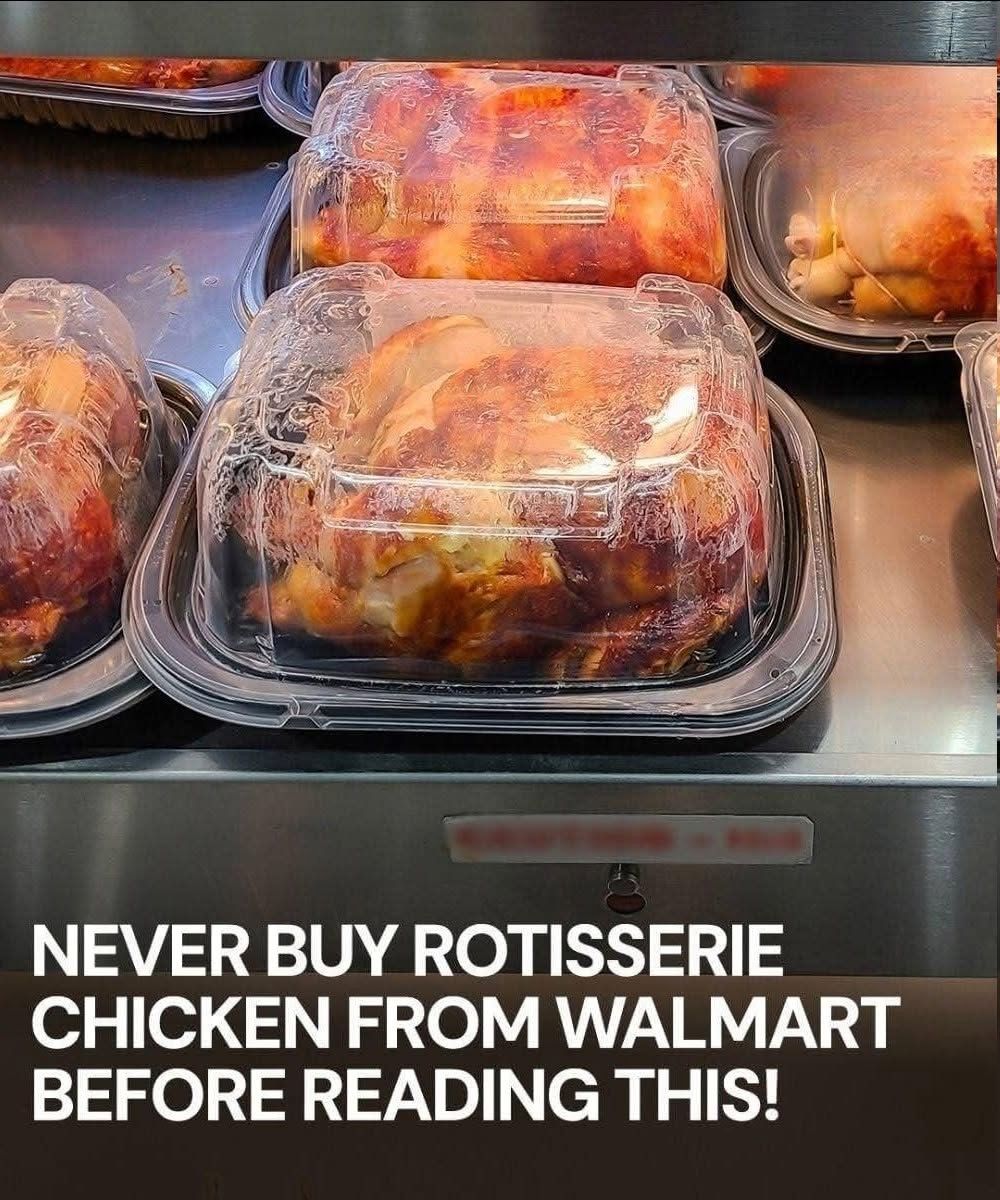
5 Smart Moves Before You Buy Walmart Rotisserie Chicken
Rotisserie chicken is cheap, hot, and ready when you are—but not every bird is a winner. A little on-the-spot inspection goes a long way. Here’s what to check in under 60 seconds.
1. Read the label like a detective.
Freshness starts with the date. Look for a clear, readable production and expiration stamp. If it’s faded, smeared, or missing, move on. Eating even slightly old chicken isn’t worth the gamble.
2. Feel the heat (or chill).
Whether it’s under a warmer or in the cold case, the temperature should be obviously hot or properly cold. Lukewarm is a red flag—it means bacteria may have started to party. If the display looks tired, pick from the back where it’s fresher.
3. Inspect the package.
A clean, dry, tightly sealed container = good handling. Any tears, pooling juices, cracks, or sticky film? That’s a sign of trouble. Choose one that looks neat and intact.
4. Trust your nose and eyes.
Golden-brown skin and a savory, roasted smell are what you want. If it smells sour, feels slimy, or shows gray/green spots, don’t buy it—no discount is worth a foodborne illness.
5. Flip it over for the nutrition facts.
Store-bought rotisserie chickens can be sodium bombs with extra preservatives and flavor boosters. If you’re health-conscious, a quick glance at the label tells you exactly what’s inside. You might decide to look for a lower-sodium option or even skip it.
One more thought: If you’re a regular buyer, consider roasting your own at home. It takes a bit more time, but you control the salt, seasonings, and freshness. Prep a couple on Sunday, and you’ve got easy meals all week.
Walmart’s chickens are convenient—no doubt. But with these quick checks, you’ll bring home one that’s not just fast, but fresh, safe, and better for you.