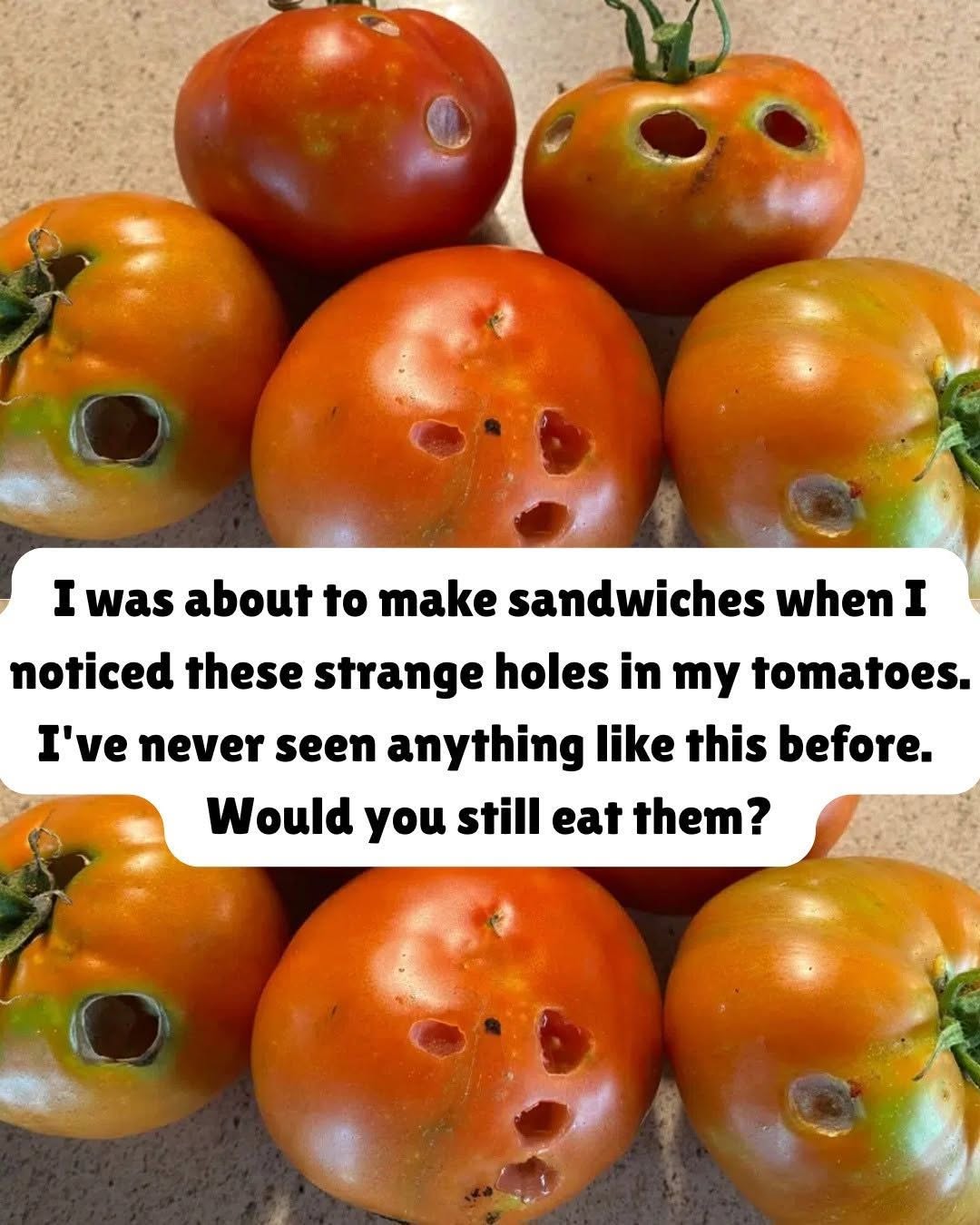
Sometimes, the damage is not caused by a living creature at all. Environmental stress, rough handling, or internal growth defects can create holes and deformities. A condition known as catfacing, which occurs when temperatures drop during the flowering stage, can cause deep scarring and crater like holes in the flesh. Similarly, blossom end rot or sudden fluctuations in watering can cause the fruit to split, creating openings that are not the result of biting or chewing.
When faced with a damaged tomato, the primary question is whether it remains safe to eat. The answer depends entirely on the condition of the fruit. If the hole is small, the interior appears fresh, and there are no signs of mold, sliminess, or unpleasant odors, the tomato is generally safe to consume. Simply cutting away the damaged portion is sufficient. However, if the area is large, soggy, or shows any signs of decay, it is best to discard the fruit entirely. It is always wiser to prioritize safety over salvage, as internal tunnels can sometimes harbor unseen pests.
Preventing this damage requires a proactive approach to garden management. Regular inspection is the first line of defense. Taking a moment each day to examine the plants for chewed leaves, droppings, or hidden eggs can help catch infestations before they spread. Consistent watering is equally important, as irregular hydration causes the fruit to crack and split, creating easy entry points for pests and bacteria.
Physical barriers are highly effective against wildlife. Draping lightweight mesh or garden fabric over the plants protects the ripening fruit from birds and squirrels without causing them harm. Additionally, strategic companion planting can naturally deter pests. Growing basil, marigolds, or garlic near tomato plants repels many common insects while enhancing the overall aroma of the garden. Finally, maintaining a clean garden space by removing fallen leaves, old fruit, and overgrown weeds eliminates the ideal hiding spots for unwanted pests.
When you discover a damaged tomato, a systematic approach is best. Inspect the fruit carefully and cut it open to assess the interior. Compost the fruit if there is any doubt about its quality. Next, examine the rest of the plant to determine if other tomatoes are at risk, and implement the appropriate corrective measures based on the identified cause.
Finding holes in your tomatoes is not a cause for despair. It is simply a signal that your garden ecosystem requires a minor adjustment, whether that means refining your watering routine, managing pests, or accepting that local wildlife will occasionally claim a share of the harvest. With a little attention and care, your tomato plants will continue to reward your efforts abundantly.