The Best & Easy Spider Plant Care Guide (Healthy Home Air Purifier)
Creating a truly healthy lifestyle goes far beyond what you do in the kitchen. You might spend your weekends diligently working on your meal prep, or ensuring you have a high protein meal ready for a quick dinner after a long day at the office. You might even track your macros to support sustainable weight loss and maintain a perfectly balanced diet. But if the air inside your home is stale, and your living environment feels sterile and stressful, you are missing a massive piece of the holistic wellness puzzle. True health involves cultivating a space where you can genuinely relax, breathe deeply, and decompress.
If you want to transform your home into a vibrant, oxygen-rich sanctuary but feel like you don’t have the time or a “green thumb,” the Spider Plant is your ultimate solution. Just like finding that perfect, foolproof easy recipe that saves your weeknights, bringing a spider plant into your living room is the ultimate low-effort, high-reward “life hack.” You do not need to be a botanist to keep this stunning houseplant thriving. It happily survives benign neglect, making it the perfect companion for busy professionals, distracted parents, or anyone who has ever accidentally loved a succulent to death.
Just imagine coming home, enjoying a healthy recipe for dinner, and kicking back in a room filled with lush, trailing greenery that is actively working to pull toxins out of your air. Spider plants add immediate visual warmth and natural beauty to any space, requiring little more than occasional watering and a sunny window. Let’s dive into exactly why this resilient, pet-safe plant is the absolute best addition to your healthy home environment, and how you can keep it thriving for years to come!
Why You’ll Love This Plant
- Incredibly Low Maintenance: This is the ultimate “set it and forget it” houseplant. It thrives on minimal attention and bounces back easily from minor watering mistakes.
- Active Air Purification: Backed by NASA research, this plant actively filters out harmful indoor air pollutants like formaldehyde and carbon monoxide.
- 100% Pet Safe: You will never have to stress if your curious cat or dog decides to take a nibble, as it is completely non-toxic.
- Endless Free Plants: It rapidly produces “spiderettes” (baby plants) that you can easily propagate in water and share with all your friends and family.
- Instant Visual Appeal: The cascading, variegated leaves look incredibly elegant in hanging baskets or draped over high shelves, instantly elevating your interior design.
The Essentials (Ingredients)
Why You Should Have a Spider Plant at Home (Even If You’ve Killed Every Plant Before) Let’s be honest: if you’ve ever murdered a succulent, drowned a fern, or watched a peace lily dramatically wilt under your care—you probably think you’re “not a plant person.” But what if I told you there’s a houseplant so resilient, so forgiving, and so low-maintenance that it practically thrives on benign neglect? Meet the spider plant (Chlorophytum comosum)—the ultimate beginner’s plant, air-purifying powerhouse, and pet-safe green companion that’s been quietly brightening homes for generations. And no, it doesn’t require a green thumb. Just a windowsill (or even a dim corner) and the occasional splash of water. 5 Reasons This Humble Plant Deserves a Spot in Your Home
- It Forgives Your Forgetfulness (Again and Again) Forget to water it for a week? Two weeks? No problem. Spider plants store moisture in their tuberous roots, making them drought-tolerant in a way most houseplants aren’t. They prefer bright, indirect light—but survive just fine in lower light. Yellow tips? Usually just from tap water chemicals—not your fault! Overwatered? Underwatered? It bounces back like nothing happened. Real talk: If you’ve killed every plant you’ve owned… start here. This is your redemption arc.
- It Cleans Your Air—Backed by NASA Yes, that NASA. In its famous 1989 Clean Air Study, NASA found spider plants among the top performers at removing indoor air pollutants, including: 2. It Cleans Your Air—Backed by NASA Yes, that NASA. In its famous 1989 Clean Air Study, NASA found spider plants among the top performers at removing indoor air pollutants, including: Formaldehyde (from furniture, cleaning products) Carbon monoxide Xylene and toluene (from paints, adhesives) They do this through natural respiration—no filters, no electricity, no noise. Just quiet, leafy detox while you sleep. Place one in your bedroom, home office, or near new furniture for fresher air.
- 100% Safe for Pets (Yes, Even That Curious Cat) Unlike lilies, pothos, or philodendrons, spider plants are non-toxic to cats and dogs (ASPCA-approved!). So if your furry friend likes to nibble leaves, you won’t need an emergency vet visit. (Though fair warning: they might get a mild tummy ache from overindulging—but no serious harm.) Bonus: The dangling “spiderettes” (baby plants) look like toys—great distraction for playful pets!
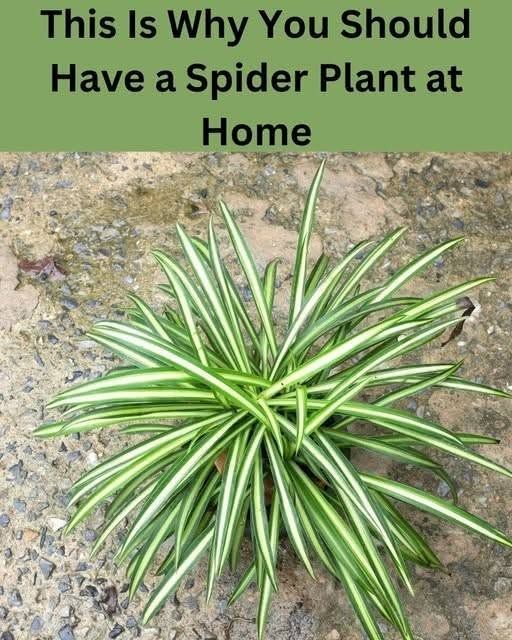
- It’s Naturally Beautiful—No Styling Needed With its arching, variegated leaves—striped in green and white—the spider plant adds instant life to any space. Looks stunning in hanging baskets (let those babies trail!) Thrives on shelves, desks, or bathroom counters Grows quickly, filling out in just weeks And when it sends out long stems with tiny plantlets (“spiderettes”), it becomes a living sculpture—like a chandelier made of greenery.
- It Gives Back—For Free! Spider plants reproduce like magic. Those little “babies” dangling from stems? You can snip them off and grow new plants—for free. Root them in water (change weekly) Or plant directly in soil Gift them to friends, coworkers, or your skeptical neighbor One plant can become dozens in a year—making it the ultimate sharing plant.
Instructions / Method
How to Care for Your Spider Plant (It’s Ridiculously Easy) Light: Bright, indirect sun (east or north window ideal). Tolerates low light. Water: Let soil dry slightly between waterings. Water less in winter. Soil: Well-draining potting mix (add perlite if needed). Temperature: Happy at 60–75°F—typical home temps are perfect. Fertilizer: Optional! Feed once a month in spring/summer with diluted houseplant food. Tip: Use filtered or distilled water if your tap is hard—brown leaf tips often come from fluoride/chlorine. Final Thoughts: The Perfect Plant for Imperfect People You don’t need to be a gardener. You don’t need a sunny greenhouse. You just need a little space—and a willingness to try. Because the spider plant isn’t just decor. It’s quiet companionship, cleaner air, and a daily reminder that growth is possible—even when you forget to water it. So go ahead. Grab one from the grocery store, farmers market, or a friend’s overflowing pot. Stick it on your bookshelf. And watch it thrive… even when you’re not paying attention. Already a spider plant parent? Share your favorite spot for yours—or how many babies you’ve gifted—in the comments below
Is This Recipe Healthy?
While a houseplant obviously isn’t a food you cook and eat, if you are asking “Is this addition healthy for my lifestyle?”, the answer is a resounding yes! Just as a balanced diet supports your physical body, keeping air-purifying plants supports your respiratory and mental health. Indoor air is often far more polluted than outdoor air, filled with volatile organic compounds (VOCs) off-gassing from our carpets, cleaning supplies, and paint.
By utilizing natural respiration, the spider plant actively scrubs these toxins from your environment. Furthermore, numerous psychological studies have proven that tending to indoor plants significantly lowers human cortisol levels (the stress hormone). High cortisol is directly linked to stubborn weight retention, meaning that creating a relaxing, green environment can actually indirectly support your weight loss goals by keeping your nervous system calm and regulated.
Calories & Nutrition
Just as we monitor our own macros when preparing a high protein meal, we need to understand the “Calories & Nutrition” required to keep our spider plants thriving. Luckily, their diet is incredibly light!
During the active growing seasons of spring and summer, your spider plant is expending energy to push out those beautiful trailing babies. To support this growth, you can provide it with a simple, all-purpose liquid houseplant fertilizer diluted to half-strength once a month. Think of this as their version of a vitamin supplement. During the fall and winter, the plant enters a state of natural dormancy, meaning its nutritional needs drop to zero. Stop fertilizing entirely during the colder months to prevent root burn, and let the plant rest!
Tips for Best Results
To ensure your plant grows massive, lush, and constantly pushes out new babies, keep these pro grower tips in your back pocket:
- Mind the Water Quality: Spider plants are notoriously sensitive to the fluoride and chlorine commonly found in municipal tap water. If you notice the tips of your beautiful leaves turning brown or crispy, your water is likely the culprit! Leave a watering can full of tap water out overnight to let the chlorine evaporate, or simply use filtered or distilled water.
- The “Lift” Test: Overwatering is the number one killer of houseplants. Instead of watering on a strict schedule, simply lift the plastic nursery pot. If it feels extremely light, it is time to water. If it still feels heavy, wait a few more days.
- Embrace the Root Bind: Spider plants actually prefer to be slightly root-bound! Do not rush to repot them into a massive container. Keeping them snug in their current pot actually encourages them to shoot out more stems and babies.
Variations & Substitutions
Did you know that there isn’t just one type of spider plant? You can easily mix and match these beautiful varieties to create a diverse indoor jungle:
- Vittatum (The Classic): This is the most common variety, featuring medium-green leaves with a striking, thick creamy-white stripe running straight down the center.
- Variegatum (Reverse Stripe): A beautiful contrast to the classic, this variety has dark green margins along the center with bright white stripes along the outer edges of the leaves.
- Bonnie (Curly Spider Plant): If you want something incredibly unique, seek out a ‘Bonnie’. It has the traditional green and white striping, but the leaves curl and spiral like beautiful ribbons!
- Solid Green: While harder to find in big-box stores, the pure green non-variegated spider plant is an absolute stunner and actually tolerates low-light corners better than its striped cousins.
Frequently Asked Questions (FAQ)
Can I make this ahead? If you are planning to gift propagated spider plants for the holidays or a special event, you absolutely want to prep them ahead of time! Snip the babies off the main stem and place them in a small glass of water. It usually takes about 2 to 3 weeks for robust white water roots to develop before they are ready to be planted in soil and gifted.
Is this recipe healthy? Adding a spider plant to your home is one of the healthiest things you can do for your indoor environment. It actively works to remove harmful toxins from the air you breathe, provides a massive boost to your daily mental health, and is completely non-toxic and safe for curious cats, dogs, and toddlers.
What is the best way to store it? The ideal placement for a spider plant is in a bright room, slightly pulled back from the window to avoid harsh, direct afternoon sun that can scorch its delicate leaves. They look particularly stunning placed on the top of high bookshelves, on top of kitchen cabinets, or suspended from the ceiling in a macrame hanger to allow the babies to cascade downward.
Can I freeze it? Absolutely not! Spider plants are native to tropical and southern regions of Africa and cannot tolerate freezing temperatures. If you decide to place your spider plant out on your patio during the warm summer months, you must bring it back inside before the nighttime temperatures drop below 50°F (10°C). Keep them away from drafty winter windows or direct blasts from an AC unit.
You May Also Like
If you have successfully mastered the spider plant and are ready to expand your beautiful, low-maintenance indoor jungle, be sure to check out these other incredibly resilient favorites:
- The Ultimate Guide to Growing Golden Pothos
- How to Care for an Unkillable Snake Plant
- ZZ Plant Care: The Best Low-Light Houseplant
- Propagating Heartleaf Philodendrons in Water
- Air Purifying Peace Lilies for Beginners
Final Thoughts
Building a vibrant, healthy, and inviting home does not require hours of backbreaking labor or an advanced degree in horticulture. Sometimes, the most profound changes to our living environments come from the simplest additions. The spider plant proves that you can enjoy the beauty, calm, and air-purifying benefits of nature without taking on a stressful new chore.
Whether you are placing one on your desk to brighten your remote workday, or hanging one in your kitchen to enjoy while you cook your favorite quick dinner, this forgiving plant will happily grow right alongside you. Don’t let past gardening failures hold you back—grab a spider plant, give it a little light, and watch your confidence as a plant parent finally bloom!