Wait, Is That a Blood Spot in My Egg? (The Ultimate Guide to Egg Safety)
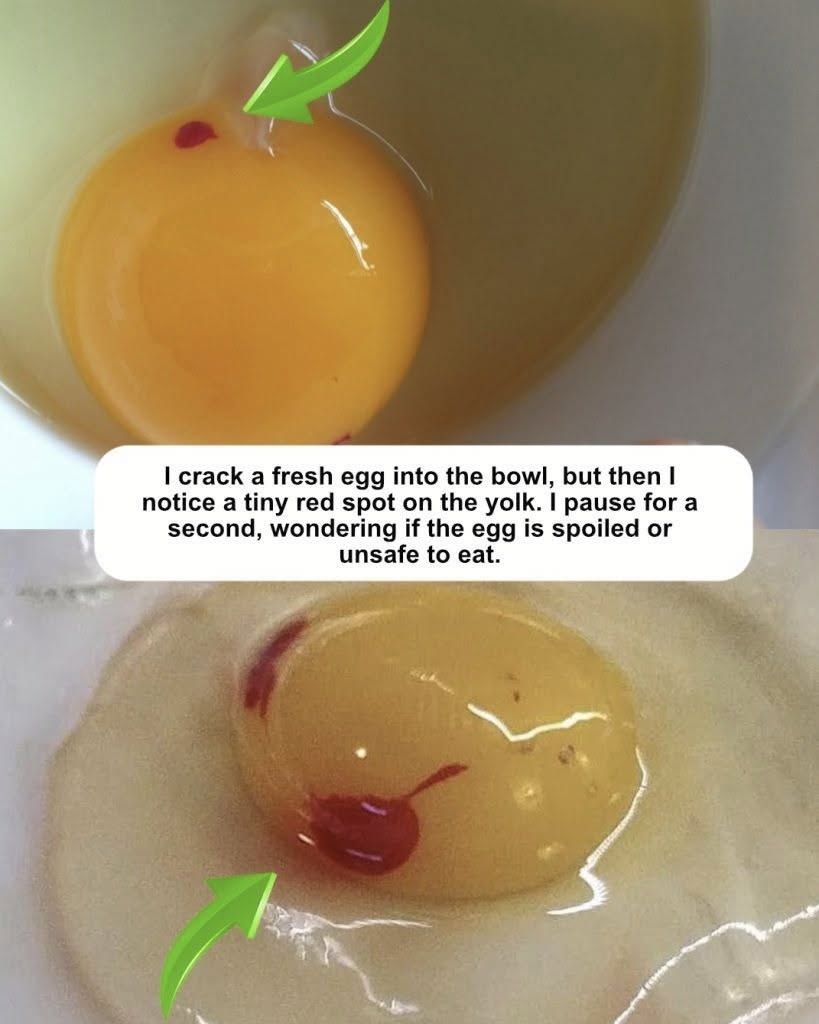
Picture this: It is the middle of your busy morning routine. You’ve got the pan heating up on the stove, the toast is popping, and you are ready to whip up an easy recipe to start your day right. You crack a fresh egg into the bowl, ready to make a delicious and high protein meal. But then—you see it. A tiny, bright red spot staring right back at you from the golden yolk.
It’s enough to make you freeze mid-crack, isn’t it? You might instantly think, “Is this egg completely spoiled?” or “Is that a baby chick starting to grow?” or even “Did I just waste my money on a bad carton?” Whether you are whipping up a rapid breakfast or relying on eggs for a quick dinner after a long day at the office, encountering an anomaly in your food can instantly derail your cooking plans and send you straight to a search engine for answers.
If your absolute first instinct is to pour that entire egg down the drain and start over, hold on just a second! Before you toss out your perfectly good food, let’s talk about what is really going on in your frying pan. Eggs are an essential part of any healthy recipe and a staple for weekly meal prep, so understanding exactly how to handle them is crucial for any home cook.
Why You Need This Egg Safety Guide
- Saves You Money: Understanding what is safe to eat prevents you from unnecessarily throwing away perfectly good, expensive groceries.
- Boosts Kitchen Confidence: Knowing the exact science behind your food empowers you to cook any quick dinner without second-guessing your ingredients.
- Supports Meal Prep: Eggs are the ultimate meal prep ingredient; knowing how to spot freshness ensures your prepped meals stay safe and delicious all week.
- Maximizes Nutrition: Eggs are a phenomenal high protein meal, and you shouldn’t miss out on their health benefits just because of a harmless cosmetic flaw.
1. What Exactly Is That Red Spot?
First things first, let’s clear up the biggest and most common myth: No, that is absolutely not a baby chick. In fact, it is just a tiny “hiccup” in nature. Those little red dots are scientifically called blood spots (or meat spots). They happen when a tiny blood vessel in the hen’s ovary pops while the egg is being formed. It’s basically just a little “bruise” inside the egg.
It can happen because the hen is getting older, or maybe she just got a bit startled in the coop while laying. It’s significantly more common than you’d think, though most of the time, the people at the commercial egg factory use special candling lights to find them and pull them off the production line before they ever reach the grocery store. One just happened to slip through their quality control and into your kitchen!
2. The Big Question: Is It Safe?
We’ve all been taught to be incredibly careful with handling raw eggs, and that’s a very good thing! But in this specific case, the USDA (U.S. Department of Agriculture) and the Egg Safety Board have a very clear, definitive answer for us:
Yes, eggs with blood spots are perfectly safe to eat.
They aren’t a sign of disease, and they absolutely don’t mean the egg is “old.” It is simply a cosmetic flaw. Once you cook that egg, that little spot won’t hurt you at all.
3. What Should You Do With It?
If looking at that little red dot makes your stomach turn a bit, you don’t have to eat it! You also don’t have to throw the whole egg away and waste your food. Here is how you can handle it:
- The “Spoon” Trick: Just take the tip of a clean knife or a spoon and gently scoop the little spot right out of the yolk or white. Toss the spot in the trash, and the rest of your egg is perfectly good to go!
- Scramble It Up: If you’re making scrambled eggs, a rich omelet, or baking a cake, you probably won’t even notice it’s there once everything is whisked and mixed together.
4. When Is an Egg Actually Bad?
Since we’re heavily focused on kitchen safety, let’s make sure we know when an egg really is time to toss. Forget the harmless blood spot—you need to watch out for these dangerous signs instead:
- The “Pink” Warning: If the egg white (the clear part) looks pink, pearly, or iridescent, throw it out immediately! That is a clear sign of a specific type of pseudomonas bacteria that can actually make you very sick.
- The Sniff Test: We all know this one. Your nose knows best. If you crack it and it smells “funky” or like strong sulfur, get it out of the house immediately!
- Cloudy vs. Clear: A cloudy white is actually a sign of a very fresh egg. If the white is watery and totally clear, it’s just getting a bit older (but it is usually still completely safe to eat if it passes the sniff test).
Is This Ingredient Healthy?
Eggs are widely considered one of nature’s most perfect foods! If you are focused on weight loss, maintaining a balanced diet, or simply trying to incorporate more whole foods into your daily routine, eggs should be at the top of your grocery list. They are an incredibly affordable and versatile way to create a high protein meal at any time of the day.
The protein found in eggs is highly bioavailable, meaning your body can easily absorb and utilize it to repair muscles and keep you feeling full and satiated for hours. This makes them a brilliant tool for managing cravings and supporting healthy weight management. Whether you are boiling them for a quick snack or poaching them for an elegant healthy recipe, eggs are a nutritional powerhouse.
Calories & Nutrition
Eggs are a staple in almost every healthy diet for a reason. They are incredibly nutrient-dense while remaining relatively low in calories. Here is the approximate nutritional breakdown for one large, whole egg:
- Calories: 70–80 kcal
- Protein: 6 g (A complete protein containing all 9 essential amino acids!)
- Carbohydrates: <1 g (Making them perfect for low-carb and keto lifestyles)
- Fats: 5 g (Including beneficial monounsaturated fats and essential fatty acids)
- Key Vitamins: Packed with Choline (crucial for brain health), Vitamin D, Vitamin B12, and Selenium.
Tips for Best Results
To ensure you are getting the absolute most out of your eggs—whether they have a tiny blood spot or not—keep these pro kitchen tips in mind:
- The Float Test: If you aren’t sure how old your eggs are, gently drop one into a tall glass of cold water. If it sinks and lays flat on its side, it is incredibly fresh. If it stands upright on the bottom, it is older but fine to eat. If it floats to the top, it has accumulated too much air and should be tossed.
- Store Them Properly: Keep your eggs in their original cardboard carton in the coldest part of your refrigerator (usually the middle or bottom shelf). Do not store them in the refrigerator door, where fluctuating temperatures can cause them to spoil faster.
- Room Temperature for Baking: If you are using eggs for an easy recipe like a cake or cookies, always let them come to room temperature first. This ensures they emulsify properly into your batter!
Variations & Substitutions
Eggs are the ultimate culinary chameleon! Here are just a few ways to easily incorporate this superfood into your daily routine:
- Hard-Boiled for Meal Prep: Boil a dozen eggs on Sunday for the ultimate grab-and-go snack or salad topper throughout your busy week.
- Quick Dinner Frittata: Whisk a dozen eggs with any leftover roasted vegetables and a sprinkle of cheese, then bake it in a cast-iron skillet for a massive, family-friendly dinner that takes zero effort.
- The Perfect Poach: Elevate a simple piece of avocado toast by mastering the art of the poached egg. Adding a splash of white vinegar to your simmering water helps the egg whites coagulate perfectly.
- Vegan Substitutions: If you are out of eggs and baking, you can often substitute one egg with a “flax egg” (1 tablespoon of ground flaxseed whisked with 3 tablespoons of warm water, left to thicken for 5 minutes).
Frequently Asked Questions (FAQ)
Can I make eggs ahead of time? Yes! Hard-boiled eggs, mini egg muffins, and crustless quiches are all incredible options for Sunday meal prep. They hold up beautifully in the fridge and give you a powerful protein boost on busy mornings.
Are eggs a healthy recipe ingredient? Absolutely. Eggs are loaded with high-quality protein, healthy fats, and essential brain-boosting nutrients like choline. They are a fantastic foundation for a balanced, health-conscious diet.
What is the best way to store leftover cooked eggs? Whether they are scrambled, boiled, or baked, cooked eggs should be stored in an airtight container in the refrigerator and consumed within 3 to 4 days for optimal freshness and safety.
Can I freeze eggs? You cannot freeze eggs in their shells, as the liquid will expand and crack the shell. However, you can crack eggs, whisk them together until just blended, and freeze them in a silicone ice cube tray or airtight container for up to a year! Thaw them overnight in the fridge before scrambling or baking.
Are blood spots more common in certain eggs? Yes, you are actually slightly more likely to find a blood spot in brown eggs than in white eggs. This is simply because the commercial candling lights used in factories have a harder time illuminating the inside of the darker brown shells to catch the spots!
You May Also Like
If you found this guide helpful and are looking for a new easy recipe to put those perfect eggs to use, be sure to check out these highly-rated favorites:
- High Protein Spinach and Feta Egg Muffins
- Easy 10-Minute Shakshuka (Eggs in Purgatory)
- The Ultimate Creamy Avocado Egg Salad
- Meal Prep Friendly Breakfast Burritos
- Healthy Sweet Potato Hash with Fried Eggs
Final Thoughts
Bottom line: That little red spot might look a bit startling when you’re just trying to enjoy your quiet breakfast, but it is absolutely nothing to worry about. It’s just a tiny, harmless quirk on the journey from the farm to your table.
Cooking should be a joy, not a source of stress! Now that you know the truth behind the blood spot, you can confidently scoop it out, fry up your egg, and get back to enjoying your morning coffee in peace. You haven’t lost your “kitchen touch”—you just happened to find a rare, natural occurrence!
Do you usually carefully scoop the spots out, or do you just whisk them into your scramble and cook them anyway? Let me know in the comments below!