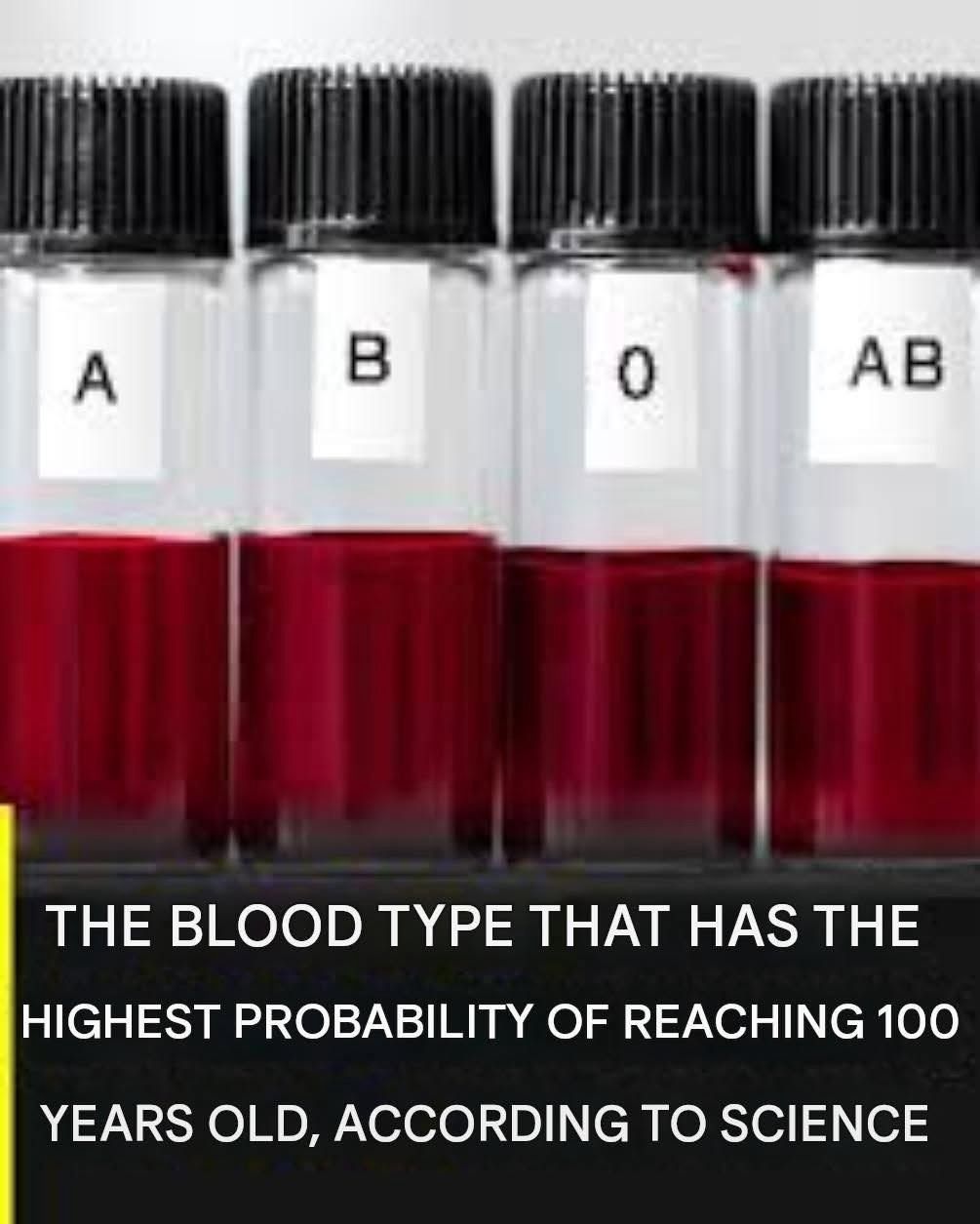
Some preliminary studies have observed that people with blood type O appear to have certain long-term health advantages . This group, the most common worldwide, has been linked to a lower risk of cardiovascular diseases , such as heart attacks and strokes. It has also been associated with a lower incidence of some types of cancer and with a clotting system that promotes better blood circulation. More efficient tissue oxygenation could contribute to slower aging and better preservation of vital organs.
In contrast, those belonging to blood groups A , B , or AB may face certain additional challenges as they age. Some studies have found a greater tendency toward chronic inflammation in these groups, a silent process that accelerates the body’s deterioration and is linked to age-related diseases. Links have also been observed with a higher likelihood of developing hypertension , metabolic problems, and, in some cases, neurological disorders. This does not imply an inevitable outcome, but it does suggest the importance of increased preventative care.
One of the points of greatest interest among scientists is the relationship between blood type and oxidative stress , a phenomenon that occurs when free radicals overwhelm the body’s defense mechanisms. This process damages cells and accelerates aging. According to some research, certain blood types exhibit greater resistance to this type of cellular damage, which could slow the natural wear and tear of tissues. In addition, the behavior of the immune system varies according to blood type and influences the body’s response to infections and chronic diseases
Despite these findings, experts are clear on one fundamental point: no blood type alone guarantees healthy aging . Biology may indicate certain tendencies, but it doesn’t determine the final outcome. The real factor remains daily choices and how each person cares for their body throughout their life.
Experts agree that, regardless of blood type, there are key elements that cannot be ignored if you want to age well. A balanced diet , rich in fruits, vegetables, and foods high in antioxidants , helps combat cellular damage. Incorporating products like green tea, turmeric, and leafy green vegetables helps reduce inflammation and protect organs.
Regular physical activity is another key factor. Walking, swimming, practicing yoga, or doing strength training not only improves mobility but also protects the heart , strengthens muscles, and keeps the brain active. In addition, rest is essential , as sleeping seven to eight hours allows the body to recover and repair damaged tissues.
Stress management , moderation in alcohol consumption, avoiding tobacco, and regular medical checkups complete the set of habits that have a real impact on longevity. These practices are universal and transcend any biological differences related to blood type.
Ultimately, knowing your blood type can offer useful information about certain predispositions, but it doesn’t define how the aging process will unfold. Science continues to explore these relationships, but the core message remains the same: beyond genetics, time, and biology, how we live each day is what most influences how we age . Understanding the body is important, but consistently taking care of it is what truly makes the difference.